
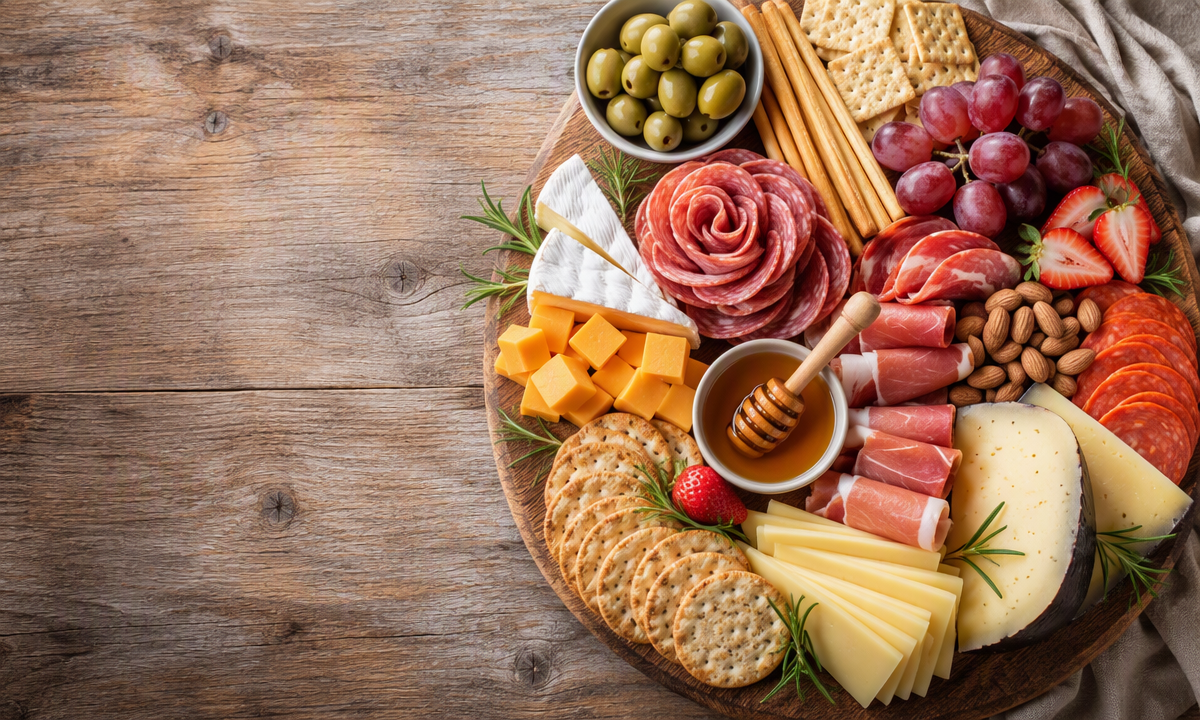
Learning how to make a charcuterie board is easier than it looks. You do not need expensive ingredients, special cooking skills, or a perfectly shaped serving board. With a few cheeses, sliced meats, crackers, fruits, and spreads, you can create a beautiful platter for family gatherings, parties, holidays, or a simple evening snack.
The secret is to choose a mix of flavors, colors, and textures, then arrange everything so guests can easily reach it. Start with a few favorite ingredients and add more if you have room.
This beginner-friendly guide explains how to make a charcuterie board step by step, what ingredients to buy, how much food to prepare, and how to make the finished board look inviting.
What Is a Charcuterie Board?
A charcuterie board traditionally features prepared or cured meats, such as salami, prosciutto, and pepperoni. Modern boards often include cheese, crackers, bread, fresh fruit, vegetables, nuts, dips, and sweet treats.
People serve them as appetizers, party snacks, or part of a casual meal. Guests can choose different ingredients and combine them to create their own bites.
A charcuterie board can be small and simple or large enough for a crowd. There is no single correct design. The best board is one that suits your guests, budget, and occasion.
What Do I Need to Make a Charcuterie Board?
You only need a few basic items to get started. Choose ingredients you enjoy rather than buying everything in the grocery store.
Here is a simple shopping list for a beginner’s board.
1. Cheese
Cheese gives your board flavor and variety. Try choosing two or three different types with different textures.
Good options include:
- Brie for a soft and creamy texture
- Cheddar for a familiar, rich flavor
- Gouda for a smooth, slightly sweet taste
- Goat cheese for a tangy option
- Manchego for a firm texture
- Mozzarella for a mild flavor
For a small board, two cheeses may be enough. For a larger gathering, three or four choices offer more variety.
2. Cured Meats
Meats are the traditional center of a charcuterie board. Choose two or three types if you want a classic meat-and-cheese platter.
Popular choices include:
- Salami
- Prosciutto
- Pepperoni
- Soppressata
- Capocollo
Fold or roll the slices before placing them on the board. This makes the meat easier to pick up and gives the platter more texture.
3. Crackers and Bread
Crackers and bread provide a base for cheese, meat, and spreads. Choose different shapes or flavors to make the board more interesting.
You can use:
- Water crackers
- Whole-grain crackers
- Cheese crackers
- Breadsticks
- Toasted baguette slices
- Sourdough bread
Plain crackers are a useful choice because they do not overpower the other ingredients.
4. Fresh and Dried Fruit
Fruit adds color, freshness, and natural sweetness.
Good options include grapes, strawberries, blueberries, blackberries, orange segments, dried apricots, and dried cranberries.
Apple and pear slices also work well. If you prepare them early, a little lemon juice can help slow browning.
Choose fruits that are easy to eat without much preparation. Wash fresh produce and dry it before arranging it on the board.
5. Vegetables and Pickled Foods
Vegetables add crunch and balance the rich flavors of cheese and meat.
Consider using:
- Cucumber slices
- Mini sweet peppers
- Carrot sticks
- Cherry tomatoes
- Pickles
- Olives
- Pickled onions
Place wet ingredients such as olives and pickles in small bowls to keep their liquid from soaking the crackers.
6. Dips and Spreads
A few spreads make the board feel complete without adding much work.
Try honey, fruit jam, Dijon mustard, chutney, hummus, or tapenade. Select options that work well with the cheese and meats you have chosen.
Serve spreads in small bowls with separate spoons. This makes them easier to serve and helps prevent different foods from mixing together.
7. Optional Sweet Treats
You can add a little chocolate or candy if you want a sweet-and-savory board.
Dark chocolate, chocolate-covered pretzels, dried fruit, and small cookies can work well. Add only a few choices so the board does not become overcrowded.
If guests have food allergies, label ingredients clearly and keep allergen-containing foods separate where needed.
How to Build a Charcuterie Board Using the 3-3-3-3 Rule
A helpful starting point for making a charcuterie board is the 3-3-3-3 rule.
It suggests choosing three cheeses, three meats, three starches, and three accompaniments. Starches can include crackers or bread, while accompaniments can include fruit, pickles, olives, nuts, or spreads.
This is a flexible guide, not a strict requirement. You can make a smaller board with fewer ingredients or a vegetarian board without meat.
For example, your board could include:
- Three cheeses: cheddar, brie, and gouda
- Three meats: salami, prosciutto, and pepperoni
- Three starches: water crackers, breadsticks, and baguette slices
- Three accompaniments: grapes, olives, and honey
This formula helps you plan your shopping list before you start assembling everything.
How to Make a Charcuterie Board Step by Step
Once your ingredients are ready, follow these steps to build a charcuterie board that looks attractive and is easy to serve.
Step 1: Choose the Right Board
Start with a clean, food-safe surface. A wooden board, marble platter, ceramic tray, or large serving plate can work.
Choose a size based on the number of guests and the amount of food you plan to serve. A small board is ideal for a few people, while a large platter gives you more space for a party.
You do not need to buy a special charcuterie board. A suitable cutting board or serving tray can work just as well.
Step 2: Prepare All Your Ingredients
Wash the fruit and vegetables. Slice hard cheeses, cut larger fruits into manageable pieces, and prepare any bread or crackers.
Fold the meat slices loosely so guests can pick them up easily. Keep spreads in their own bowls.
Preparing everything before assembly makes the process faster and leaves you free to focus on the arrangement.
Step 3: Place Small Bowls First
Put your bowls of honey, jam, olives, pickles, or dips on the board first.
Spread them out rather than placing every bowl in one corner. These bowls help create natural sections and give you a guide for arranging the other ingredients.
Leave enough room around each bowl for guests to use spoons or forks comfortably.
Step 4: Add the Cheese
Arrange the cheeses in different areas of the board. This spreads their colors and shapes across the platter.
You can leave soft cheese such as brie whole and provide a cheese knife. Cut some cheddar or gouda into slices or cubes to make serving easier.
Try not to place all the cheese together in one large group. Spacing it out makes the board look more balanced and gives guests more pairing options.
Step 5: Arrange the Meats
Place the meats next to cheeses that complement them.
Fold salami into halves or quarters. Roll prosciutto loosely, or arrange the slices in small groups. You can also make a simple salami rose if you want a decorative touch, but it is not necessary.
Keep the portions easy to grab. The goal is to make the board inviting rather than difficult to serve.
Step 6: Fill the Space With Crackers and Bread
Arrange crackers in small stacks, curved rows, or sections around the cheese and meat.
Place breadsticks together in a small glass or jar if you want to add height. Keep some crackers outside the main board if space is limited.
Do not cover every ingredient with crackers. Leave room for fruit, vegetables, and other additions.
Step 7: Add Fruit, Vegetables, and Other Extras
Now fill the open spaces with grapes, berries, cucumber slices, nuts, dried fruit, or other accompaniments.
Use contrasting colors to make the board more appealing. For example, red grapes can sit beside pale cheese, while green cucumber slices can brighten a section of crackers.
Small gaps are useful because they help guests pick up food without disturbing the rest of the arrangement.
Step 8: Finish With Simple Details
Look over the board and check whether every section is easy to reach.
Add small garnishes such as fresh rosemary if you like. Provide cheese knives, serving spoons, or small forks where needed.
You can also label unfamiliar cheeses or spreads. Simple labels help guests understand what they are eating, especially when the board includes unusual ingredients.
Your charcuterie board is ready to serve once everything is arranged and kept at a safe temperature.
How Much Food Do You Need for a Charcuterie Board?
The right amount depends on whether the board is an appetizer, a snack, or the main part of the meal.
For an appetizer, plan smaller portions because guests may also eat other dishes. For a board serving as the main meal, provide more substantial amounts of cheese, meat, bread, and other filling ingredients.
Use this table as a starting point, then adjust based on your guests and menu.
| Guests | Suggested board size | Planning tip |
| 2 to 3 people | Small platter | Choose two cheeses, one or two meats, crackers, and fruit |
| 4 to 6 people | Medium board | Add more variety and a few small bowls |
| 8 to 10 people | Large board | Include extra crackers, several cheeses, meats, and accompaniments |
| 10 or more people | Large board or multiple platters | Refill smaller platters as needed |
These are general planning suggestions, not exact serving quantities. Guests may eat more or less depending on the occasion and what else is being served.
How to Make a Charcuterie Board on a Budget
You do not need expensive imported cheese or specialty meats to build a good board.
First, check what you already have at home. Jam, mustard, crackers, dried fruit, and pickles can all be useful additions.
Choose one or two premium ingredients and fill the rest of the board with affordable foods. Cheddar, seasonal fruit, toasted bread, and basic crackers can stretch your budget.
Buying meat and cheese from a deli counter can also help you purchase only the amount you need. This can reduce waste when you are preparing a board for a small group.
Finally, arrange ingredients in smaller portions and refill the board if needed. A well-planned board can look full without requiring large quantities of every item.
Easy Charcuterie Board Ideas for Different Occasions
You can change the ingredients to suit your event, guests, or personal taste.
Charcuterie Board for Beginners
Choose cheddar, brie, salami, crackers, grapes, olives, and one spread. These ingredients are easy to find and provide a good mix of flavors and textures.
Vegetarian Charcuterie Board
Skip the meat and focus on cheeses, hummus, olives, vegetables, crackers, fruit, and nuts if suitable for your guests.
You can also use roasted peppers, artichoke hearts, and other marinated vegetables to add more flavor.
Sweet Charcuterie Board
Use strawberries, grapes, cookies, chocolate, dried fruit, pretzels, and sweet dips. This is a good option for birthdays, movie nights, and dessert tables.
Holiday Charcuterie Board
Choose seasonal fruit, different cheeses, nuts, crackers, and small bowls of jam or honey. Arrange ingredients in colors that suit the occasion.
You can keep the design simple while still making it feel special.
Kid-Friendly Charcuterie Board
Include mild cheese cubes, crackers, grapes cut appropriately for young children, berries, cucumber slices, and other familiar foods.
Avoid small choking hazards for young children, and adapt the ingredients to their ages and dietary needs.
Can You Make a Charcuterie Board Ahead of Time?
Yes. Preparing some ingredients in advance can save time when guests arrive.
Wash and dry fruit, slice suitable cheeses, prepare serving bowls, and arrange nonperishable items ahead of time. Store prepared ingredients in clean, covered containers in the refrigerator when they need chilling.
For the freshest appearance, add delicate crackers shortly before serving so they stay crisp. Add cut fruit close to serving time when possible.
You can also prepare the board in advance, cover it, and refrigerate it if the ingredients and board are suitable for refrigeration. Keep meat and cheese chilled until serving.
How to Keep a Charcuterie Board Safe
Food safety is important because charcuterie boards often contain perishable foods such as soft cheese, cut fruit, and refrigerated meats.
Wash your hands and clean the board, knives, and serving utensils before preparing food. Keep ingredients refrigerated until you are ready to assemble the platter.
In general, perishable food should not remain at room temperature for more than two hours, or more than one hour when the temperature is above 90°F (32°C). Keep cold food at 40°F (4°C) or below, and use smaller platters that you can refill from the refrigerator.
If your event lasts a long time, do not leave the same perishable foods sitting out indefinitely. Replace the platter with a fresh, chilled one and discard food that has exceeded the recommended time limit.
For more details, consult the USDA’s official guidance on safe food handling and food safety.
Common Mistakes to Avoid When Making a Charcuterie Board
A few simple mistakes can make a board harder to serve or less appealing.
Using too many ingredients: Too many choices can make the board crowded and expensive. Start with a small selection and add more only if there is space.
Placing everything in straight rows: Groups, folds, and gentle curves create more visual interest than flat rows of ingredients.
Forgetting serving utensils: Provide knives for soft cheeses and spoons for spreads. This helps guests serve themselves neatly.
Adding wet ingredients directly to crackers: Keep olives, pickles, and juicy spreads in small bowls to prevent soggy crackers.
Leaving perishable food out too long: Keep meat and cheese chilled and follow food safety time limits.
Ignoring guest preferences: Consider allergies and dietary needs before shopping. Label ingredients and keep foods separate when necessary.
Frequently Asked Questions
How to make a charcuterie board for beginners?
Choose two or three cheeses, one or two meats, crackers, fruit, and a spread. Place bowls on the board first, arrange cheese and meat around them, then fill the open spaces with crackers and fruit.
What do I need to make a charcuterie board?
You need a food-safe board or platter, cheese, cured meats if desired, crackers or bread, fruit, and a few extras such as olives, nuts, or spreads. Serving knives and small bowls are helpful but not always essential.
How do you build a charcuterie board that looks full?
Use ingredients of different shapes and colors. Spread cheese and meat across the board, then fill gaps with grapes, berries, crackers, and small accompaniments. Keep the arrangement easy to reach rather than overcrowded.
What is the 3-3-3-3 rule for charcuterie boards?
It is a simple planning formula: choose three cheeses, three meats, three starches, and three accompaniments. You can adjust the numbers to suit your budget, guests, and dietary preferences.
What should you put on a charcuterie board first?
Place small bowls of spreads, olives, and pickles first. Then arrange cheese and meats, add crackers and bread, and finish with fruit and other small items.
How far in advance can you make a charcuterie board?
You can prepare many ingredients in advance and refrigerate them in covered containers. You can also assemble a board ahead of time if it can be stored safely in the refrigerator. Add crackers and delicate garnishes close to serving.
Can you make a charcuterie board without meat?
Yes. A vegetarian board can include cheese, fruit, vegetables, crackers, hummus, olives, nuts, and dips. You can also make a completely plant-based snack board using suitable dairy-free alternatives.
How do you keep a charcuterie board fresh at a party?
Keep perishable ingredients refrigerated until serving. Set out smaller platters and replace them with fresh, chilled portions as needed. Follow food safety time limits instead of leaving the same board out throughout the event.
Final Thoughts
Learning how to make a charcuterie board does not require professional cooking or food styling skills. Choose a few cheeses, meats, crackers, fruit, and spreads, then arrange them in a way that makes everything easy to see and serve.
Start with a simple formula, use ingredients you already enjoy, and adjust the board for your guests and budget. Once you understand the basics, you can create a different board for almost any occasion.
The best charcuterie board is not necessarily the biggest or most expensive. It is one that tastes good, looks inviting, and gives everyone something they enjoy.As a trusted hub for latest trends, practical tips, and global news, Weekly Magazine delivers high-quality reading material on a wide range of topics. Visit our home page regularly to never miss out on key updates and fresh perspectives.