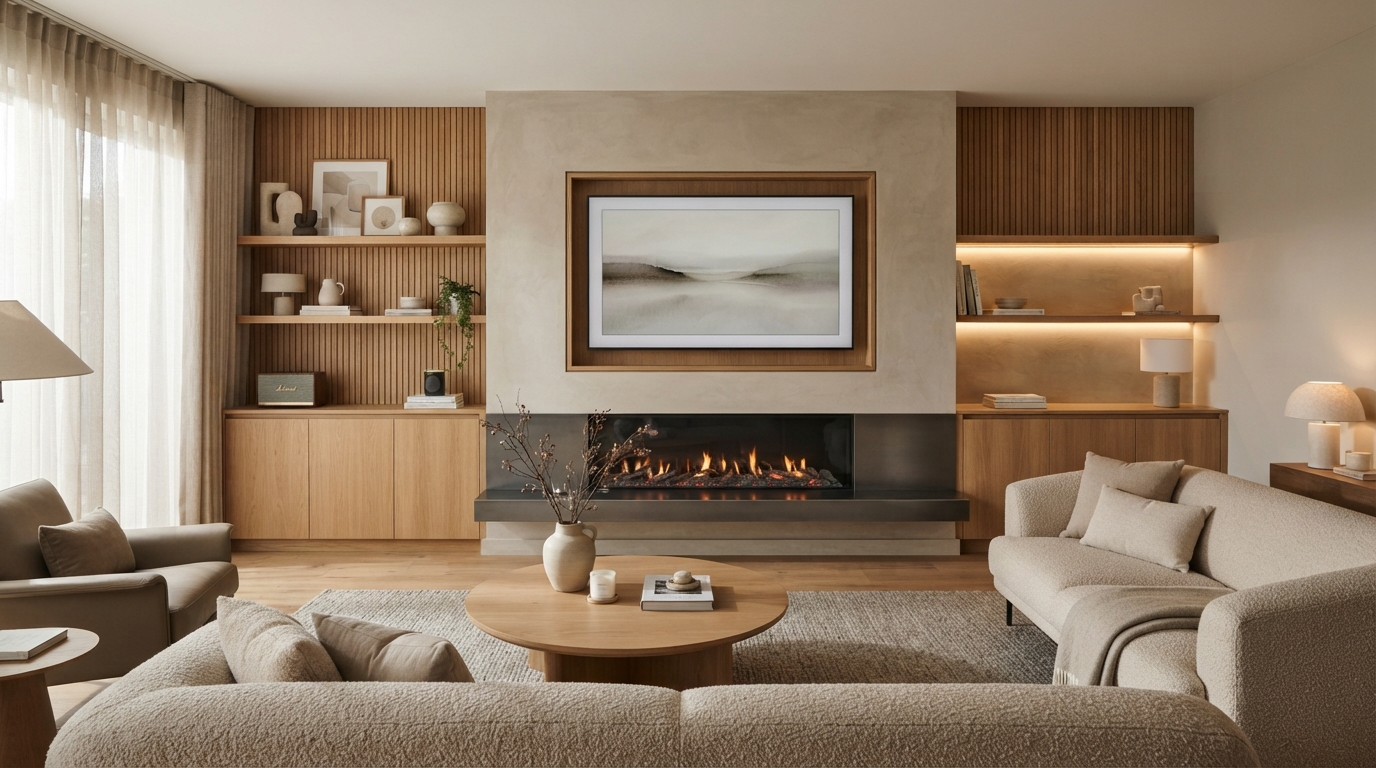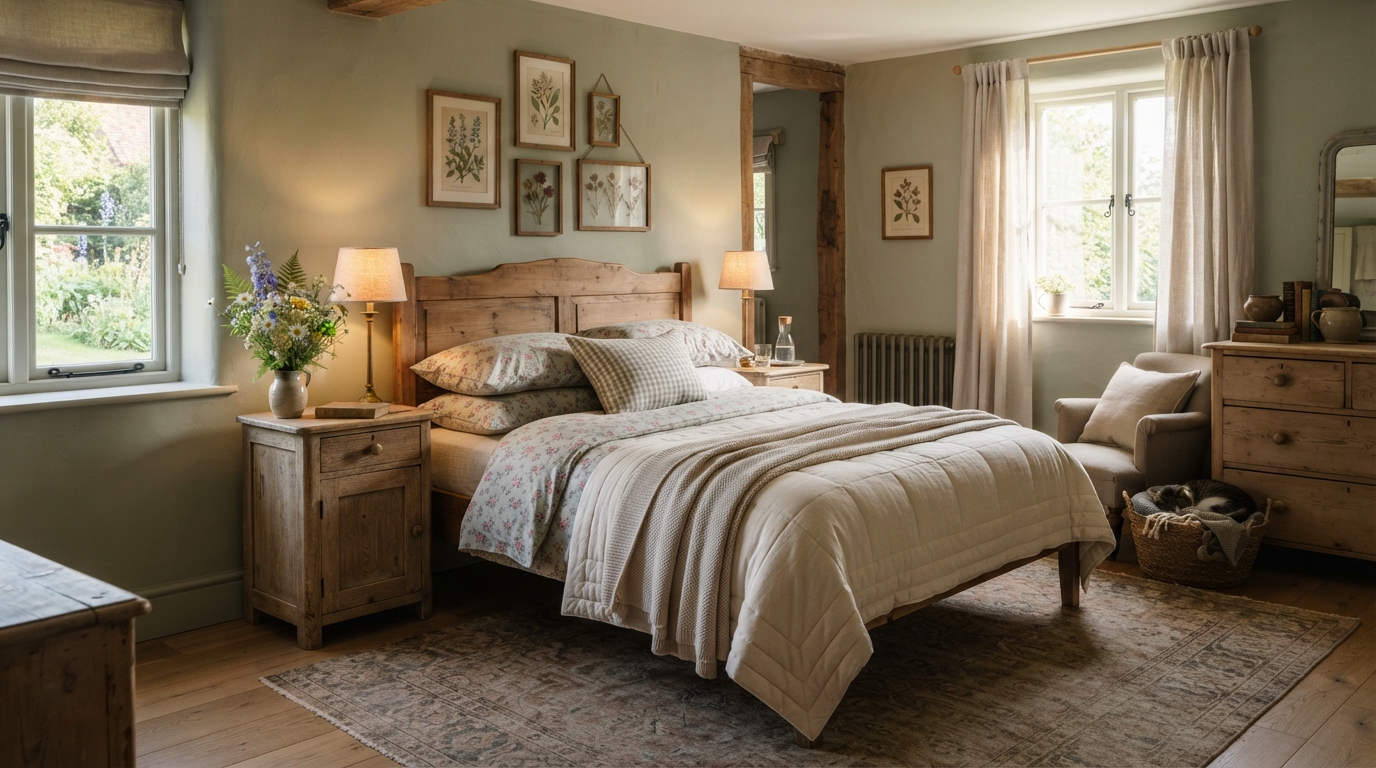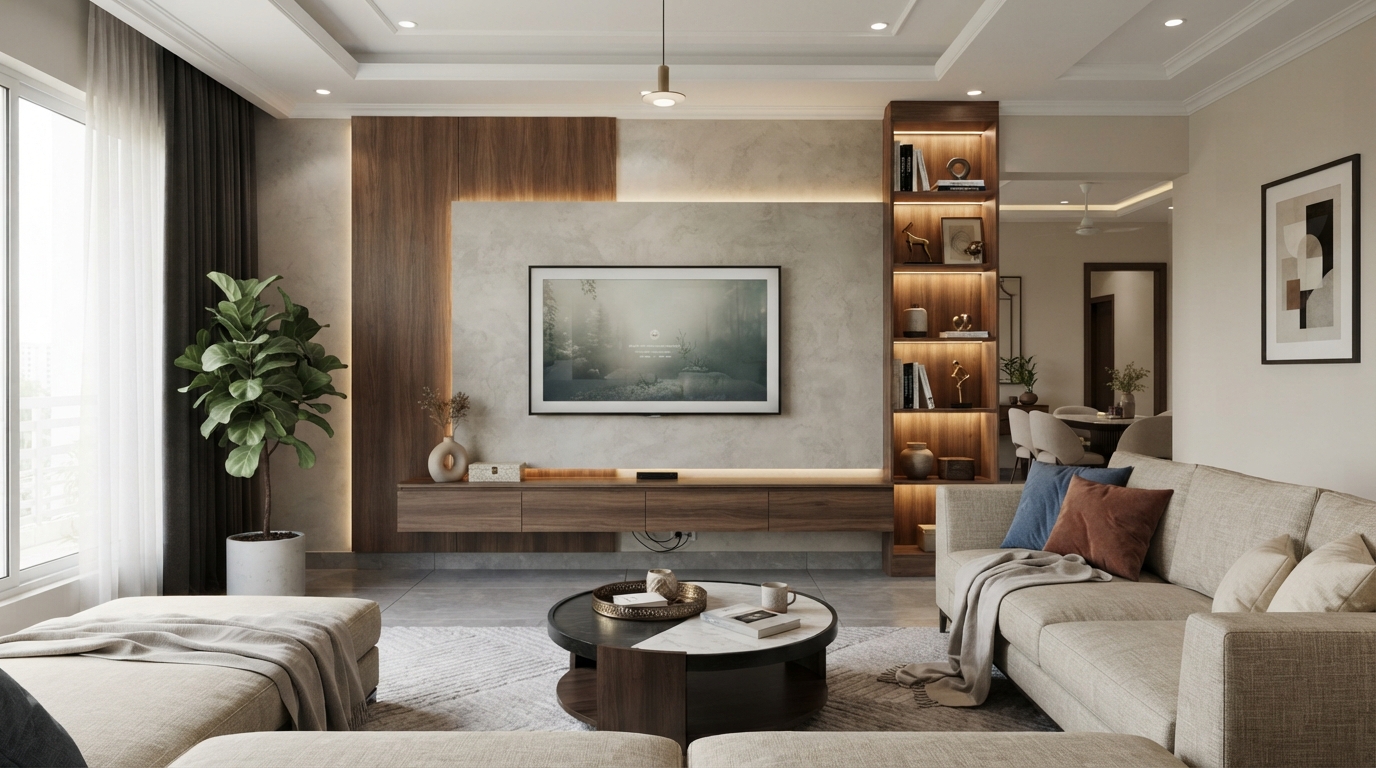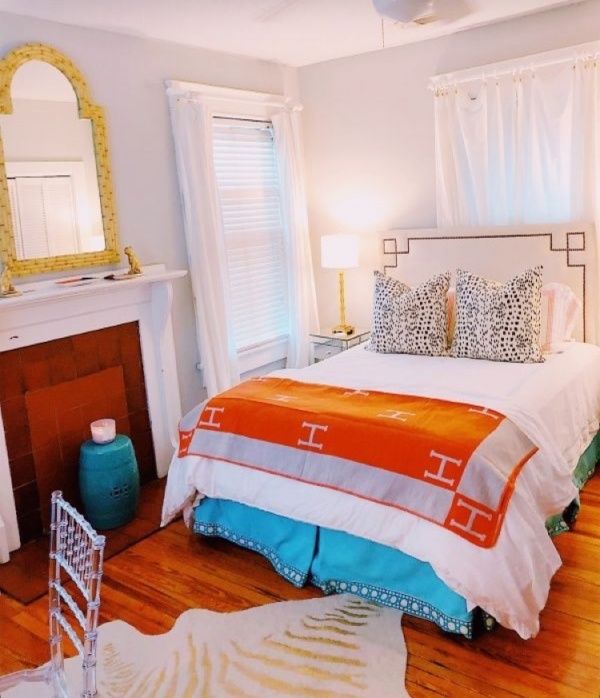

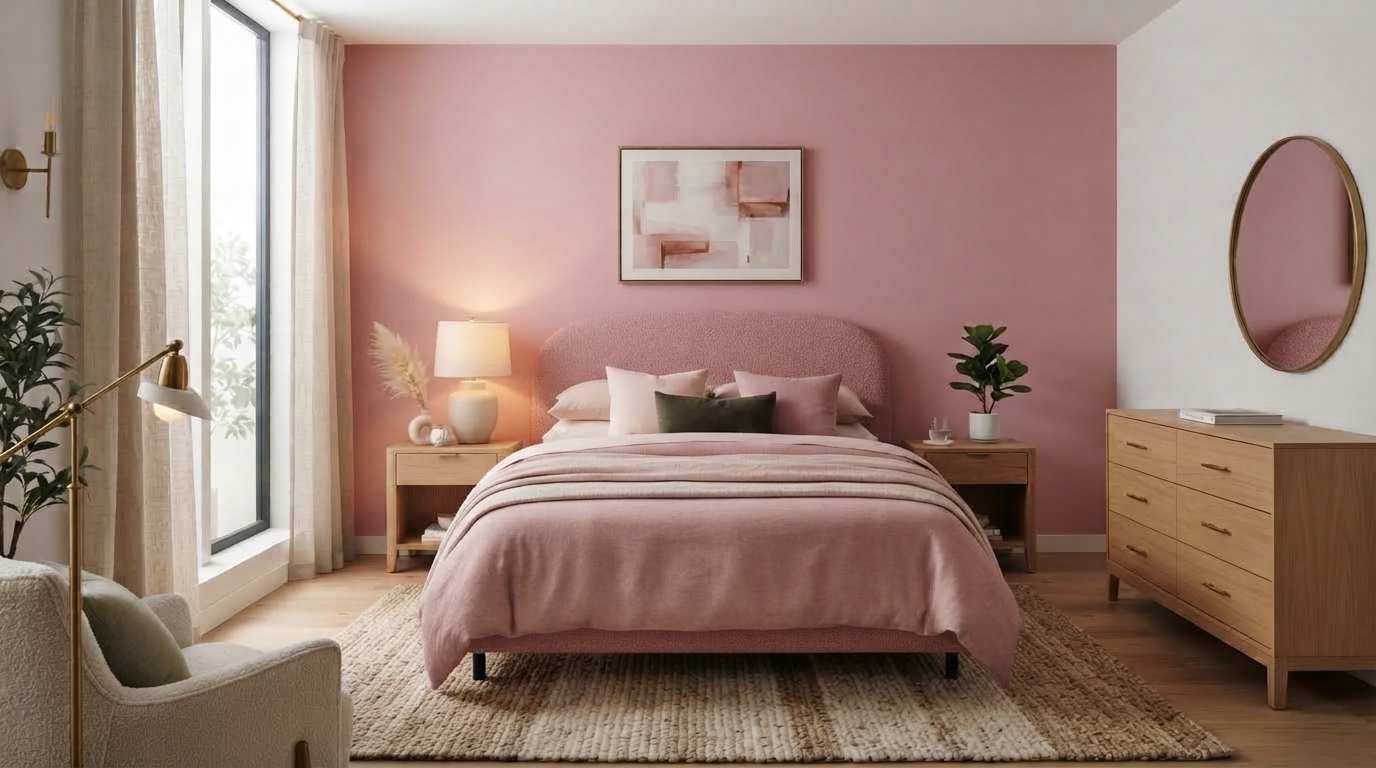
A pink room can be much more than a bright, sugary space. In current interior design, pink is being treated as a flexible colour that can feel warm, sophisticated, calm, dramatic or playful depending on its shade, lighting and surrounding materials.
Recent design coverage highlights combinations such as pink with grey, beige, green, navy, wood and metallic accents, while newer 2026 interiors are moving toward dusty, plaster-like and muted pinks that behave almost like warm neutrals.
That makes pink surprisingly easy to work with. You can use it across an entire bedroom, introduce it through one feature wall, bring it in with bedding and curtains, or create a subtle pink palette with furniture and accessories.
The key is choosing the right shade for the room’s natural light and then balancing it with colours and textures that give the space enough depth.
If you are wondering which pink works best, what colours go with pink walls, how to make a pink room look mature, or how to decorate without making the space feel overwhelming, this guide covers the decisions from start to finish.
Why Pink Works So Well in Interior Design
Pink has traditionally been associated with softness and femininity, but modern interiors have considerably broadened the way the colour is used.
- A dusty rose can feel architectural and sophisticated.
- A pale blush can create an airy bedroom.
- A peachy pink can make a north-facing room feel warmer.
- A deep rose can create drama.
- A muted mauve can feel almost neutral.
- A saturated pink can become an energetic statement colour.
- The important point is that “pink” is not one colour.
- It is a broad family of shades with different undertones, saturation levels and visual effects.
That is why choosing a paint colour simply because it looks attractive on a phone screen can lead to disappointing results. The same pink can appear completely different in morning sunlight, artificial evening light and a room with warm-toned furniture.
What Is the Best Pink Shade for a Room?
There is no universal best shade.
The right choice depends on the mood you want and the conditions of the room.
Blush Pink
Blush is one of the easiest pinks to live with.
It has a soft appearance and works particularly well with cream, white, beige, light wood and warm metallic finishes.
It is a good choice if you want a pink room that feels subtle rather than dramatic.
Dusty Pink
Dusty pink contains a muted quality that makes it easier to use across larger surfaces.
It works especially well with natural wood, olive green, taupe, charcoal and aged brass.
If you want an adult pink bedroom, dusty pink is often more versatile than a very bright pastel.
Rose Pink
Rose has more depth and can create a romantic or elegant atmosphere.
It works beautifully when balanced with neutral upholstery, warm lighting and natural textures.
Peachy Pink
Peach-based pinks have warmer undertones.
They can be especially welcoming in rooms where you want a soft, sunny feeling.
Pair them with cream, terracotta, tan, warm wood or muted green.
Mauve Pink
Mauve has a slightly cooler, sophisticated character.
It can work beautifully with grey, taupe, muted blue and dark wood.
Hot Pink
Bright pink can certainly work in interior design, but it is usually more effective as an accent than as the dominant colour of a relaxing bedroom.
Use it through artwork, cushions, a chair, lamp or smaller decorative pieces.
Should You Paint All Four Walls Pink?
You can, but you do not have to.
An all-pink room can look beautiful when the shade is muted and the furniture provides enough contrast.
The result becomes more sophisticated when you repeat the same colour through different textures rather than simply covering everything in one flat tone.
For example, imagine dusty pink walls with:
- Cream bedding
- A natural wood bed
- A textured rug
- Ivory curtains
- A rose-toned cushion
- Brass lighting
That creates a layered palette rather than a one-colour box.
If you are using a particularly strong pink, however, one feature wall may be the safer option.
15 Pink Room Ideas for a Stylish Home
1. Soft Pink and White
Pink and white is perhaps the easiest combination to understand.
White prevents pink from becoming visually heavy and gives the room a clean, fresh appearance.
For a bedroom, you could use soft pink walls with white bedding and curtains. Add natural wood or beige accessories to prevent the combination from feeling too stark.
This palette works especially well in smaller rooms because light colours can help preserve an open visual feeling.
Asian Paints also highlights soft pink and white as a classic bedroom combination because the white helps maintain an airy appearance.
2. Pink and Grey
If you want a more grown-up look, consider grey.
Grey introduces a cooler, grounded element that balances pink’s warmth.
A light blush paired with pale grey creates a calm bedroom.
A stronger rose pink paired with charcoal creates considerably more drama.
The furniture does not have to be grey. You could use grey bedding, a rug, upholstered chair or artwork against pink walls.
The advantage of this palette is flexibility.
You can make it soft or dramatic depending on the depth of grey.
3. Pink and Beige
Pink and beige create one of the warmest combinations.
This works particularly well for bedrooms where comfort is the priority.
Choose a muted pink rather than an extremely bright shade and combine it with:
- Cream bedding
- Beige curtains
- Light oak furniture
- Natural woven baskets
- Linen cushions
- Soft rugs
The result feels relaxed without looking overly decorated.
4. Pink and Green
Pink and green create a natural contrast.
The combination can feel fresh because the green introduces an earthy element.
Soft pink with sage green is subtle and calming.
Dusty rose with olive green feels more sophisticated.
Deep green with a pale pink can create a dramatic contrast.
The key is controlling saturation.
If both colours are extremely bright, the room may feel energetic rather than restful.
5. Pink and Navy Blue
The navy gives pink a more mature visual foundation.
This is particularly useful if you like colour but do not want a pastel-only interior.
Try:
- Blush walls + navy bedding
- Pale pink walls + navy curtains
- Dusty pink walls + navy armchair
- Pink artwork + navy accent furniture
The contrast is strong enough to create personality without requiring multiple decorative colours.
Pink and navy are also repeatedly identified by interior design sources as a strong contrast pairing.
6. Pink and Natural Wood
Wood may be one of the most useful materials to combine with pink.
It immediately adds warmth and prevents the room from feeling overly polished or artificial.
Light oak works particularly well with blush and dusty pink.
Dark wood can create a richer look with deeper rose tones.
Rattan and cane furniture can introduce a casual, natural character.
This is an especially useful approach if you want a pink room that feels contemporary but not overly feminine.
7. Pink and Gold Accents
Gold can make pink feel more luxurious.
But restraint matters.
You do not need gold furniture everywhere.
Instead, introduce small touches through:
- Bedside lamps
- Mirror frames
- Cabinet handles
- Picture frames
- Decorative trays
- Pendant lights
- Brass hardware
Aged brass often feels more sophisticated than highly shiny gold because it has a softer, less reflective character.
8. Pink and Brown
Brown is an underrated partner for pink.
Warm chocolate brown can ground a pale pink room and create a richer, editorial feel.
Use brown through:
- Wood furniture
- Leather seating
- A dark rug
- Coffee-toned cushions
- A brown bedside table
This combination is particularly attractive when you want to move away from the stereotypical “pink and white” bedroom.
Recent colour-trend coverage also shows stronger earthy and brown tones continuing to influence interiors, which makes brown a useful grounding colour for pink.
9. Tonal Pink Room
You do not always need a contrasting colour.
A tonal room uses different intensities of the same colour family.
For example:
Very pale pink walls
Dusty pink bedding
Muted rose cushions
Deep rose artwork
This creates depth while maintaining a cohesive visual identity.
The trick is to vary texture.
Use linen, velvet, cotton, wool, wood and metal so the room does not look flat.
10. Pink Feature Wall
If painting an entire room feels too much, create one pink wall.
The wall behind the bed is a natural choice because it creates a visual anchor.
A pink feature wall can also work behind:
- A desk
- A dressing table
- A sofa
- A reading chair
- A TV console
Choose the wall that already has a clear architectural purpose.
11. Pink Room With Textured Walls
Paint is not the only way to introduce pink.
Wallpaper, limewash-style finishes, textured plaster and decorative wall panels can create more depth.
A subtle patterned wallpaper can make a bedroom feel traditional.
A plaster-like finish can create a more contemporary appearance.
Vertical wall moulding painted pink can give the room architectural character.
The important thing is to consider the existing room before adding texture.
If the flooring, furniture and curtains are already heavily patterned, a simple pink wall may be the better option.
12. Pink Room With Cream Furniture
Cream furniture can soften pink beautifully.
Instead of stark white, cream introduces warmth and makes the room feel less contrast-heavy.
Try a cream upholstered headboard, ivory armchair or warm-white bedside tables.
This works particularly well with blush and peachy pink.
13. Pink Room With Black Accents
Black can give pink a modern edge.
Use it carefully.
A black-framed mirror, black lamp, dark picture frames or slim metal furniture can create definition.
The goal is not to make half the room black.
A few dark details can be enough to prevent pale pink from feeling too delicate.
14. Pink Room With Pattern
Patterns can make a pink room much more interesting.
Florals are an obvious option, but they are not the only choice.
Consider:
- Stripes
- Checks
- Abstract artwork
- Geometric rugs
- Botanical prints
- Small-scale wallpaper
- Patterns should be used to support the colour palette.
- If the walls are already bold, keep large furniture relatively simple.
15. Pink Room With Layered Lighting
Lighting deserves more attention than it usually gets.
A pink wall can look soft and warm under one light source and unexpectedly cold or saturated under another.
Use multiple layers:
- Ceiling lighting for general illumination
- Bedside lamps for reading
- Wall lights for atmosphere
- Accent lighting for artwork
- Natural daylight during the day
- Dimmable lighting at night
- This allows the room to change mood throughout the day.
How to Make a Pink Room Look Grown-Up
One of the most common concerns is that pink will make the room look childish.
That usually comes down to how the colour is used rather than the colour itself.
The easiest solution is to introduce mature materials and grounded colours.
Choose:
Muted pink instead of extremely bright pink
Natural wood instead of plastic finishes
Linen instead of overly shiny fabrics
Brass instead of novelty metallics
Neutral rugs instead of heavily themed designs
Abstract artwork instead of cartoon-style decoration
Simple furniture instead of matching bedroom sets
Interior design publications increasingly present pink as suitable for grown-up spaces rather than limiting it to children’s rooms. Homes & Gardens, for example, specifically discusses using pink across a wider range of home styles and pairing it with green, blue, grey and stronger complementary tones.
How to Choose Pink Paint for Your Room
Before purchasing a large quantity of paint, test the colour.
Paint a sample on the actual wall or use a large sample board.
Look at it:
- In morning light
- At midday
- In the evening
- Under your room’s artificial lights
- Next to your flooring
- Next to your furniture
This matters because the surrounding colours can alter how pink appears.
A pink with warm undertones may become more peachy beside cream furniture.
A cooler pink may appear more purple beside warm wood.
Never choose a wall colour solely from a tiny digital swatch.
What Colours Go Best With Pink Walls?
Here is a practical guide:
| Pink Shade | Best Supporting Colours | Overall Mood |
| Blush | White, cream, beige | Soft and airy |
| Dusty pink | Olive, wood, taupe | Sophisticated |
| Rose | Cream, brown, brass | Rich and elegant |
| Peach pink | Beige, terracotta, wood | Warm and welcoming |
| Mauve | Grey, navy, taupe | Calm and refined |
| Bright pink | White, black, neutral tones | Energetic and modern |
| Deep pink | Cream, charcoal, brown | Dramatic and luxurious |
The exact result will still depend on undertones and lighting.
Pink Room Ideas for a Small Bedroom
Small bedrooms can absolutely use pink.
The key is visual balance.
A pale pink can make a compact room feel soft without overwhelming it.
Use the colour on the walls and keep larger furniture neutral.
A wall-mounted bedside shelf can save floor space.
Mirrored or glass elements can reduce visual heaviness.
Curtains that extend from close to the ceiling toward the floor can make the room feel taller.
Avoid filling every surface with decorative pink objects.
One strong colour story is more effective than dozens of small accessories.
Pink Room Ideas for a Large Bedroom
Large bedrooms can handle stronger colour.
You can use deeper pink on multiple walls, a dramatic upholstered headboard or a large patterned wallpaper.
But scale becomes important.
Small accessories can disappear in a large room, so use larger furniture and artwork.
A substantial rug can help define the sleeping area.
A large upholstered headboard can become the visual centre.
A bench at the foot of the bed can connect the furniture composition.
Pink Room Ideas for a Teenager
For a teenager’s room, flexibility matters.
Rather than designing a completely pink space that may feel dated quickly, use pink as part of a broader palette.
Consider:
- Pink feature wall
- Neutral furniture
- Colourful artwork
- Open shelving
- A study desk
- Adjustable lighting
- Storage baskets
- Layered bedding
This gives the occupant room to change accessories later without repainting the entire room.
Pink Room Ideas for a Child
A child’s room can handle brighter pink, but practicality should lead the design.
Choose washable finishes where possible.
Provide accessible storage.
Use lighting that is appropriate for reading and play.
Avoid creating a room that depends entirely on one character or trend.
A pink wall combined with neutral furniture can remain useful as the child grows.
Pink Room Ideas Without Painting the Walls
You do not need paint to create a pink room.
Try introducing pink through:
- Bedding
- Curtains
- Rugs
- Accent chairs
- Cushions
- Artwork
- Lampshades
- Upholstery
- Throws
- Decorative objects
A large pink rug can completely change the visual identity of a neutral room.
Similarly, a blush upholstered headboard can introduce the colour without committing to painted walls.
This approach is especially useful for renters.
How Much Pink Is Too Much?
There is no fixed percentage.
However, the room usually becomes easier to balance when pink has a clear hierarchy.
For example:
Walls: main pink
Furniture: neutral
Textiles: small amount of repeated pink
Accessories: one or two deeper tones
Or:
Walls: neutral
Bed: pink
Curtains: pink
Accessories: neutral
The problem usually occurs when every element is equally saturated.
If the walls, sofa, curtains, rug, bedding and accessories are all bright pink, the eye has nowhere to rest.
How Lighting Changes a Pink Room
Lighting can dramatically affect colour perception.
Natural daylight tends to reveal the actual undertones of a paint more clearly.
Warm artificial lighting can make some pinks appear peachier or warmer.
Cooler lighting can make certain pinks appear more purple or muted.
This is why sample testing should happen under the lighting conditions you actually use.
For evening use, layered and dimmable lighting can help you control the atmosphere rather than relying on one strong overhead fixture.
What Furniture Looks Best in a Pink Room?
Almost any furniture colour can work if the undertones are compatible.
White Furniture
Creates a clean, fresh appearance.
Natural Wood
Adds warmth and texture.
Dark Wood
Creates contrast and richness.
Beige Upholstery
Softens the room.
Grey Furniture
Creates a more contemporary atmosphere.
Black Furniture
Adds definition and a graphic edge.
Brass Details
Introduce a subtle sense of luxury.
Instead of buying an entire matching furniture set, mix two or three related finishes.
This usually makes the room feel more considered.
What Curtains Go With Pink Walls?
White and cream curtains are among the safest choices.
They keep the room bright and allow the pink to remain the primary colour.
For a warmer scheme, beige or oatmeal curtains can work beautifully.
Green curtains can create an earthy contrast.
Navy curtains create a more dramatic room.
For deeper pink walls, cinnamon, warm brown and muted neutral curtains can create a richer appearance.
Homes & Gardens similarly recommends considering white, earthy cinnamon, green and blue depending on the specific pink and desired atmosphere.
What Bedding Goes With a Pink Room?
If the walls are pink, bedding does not have to be pink too.
Cream and white bedding creates a clean foundation.
Grey adds sophistication.
Beige adds warmth.
The Navy adds contrast.
Brown creates a richer, earthy atmosphere.
If you do use pink bedding, choose a different texture or depth from the walls.
For example, dusty pink walls with a pale blush quilt and deeper rose cushions can create a layered tonal effect.
How to Decorate a Pink Room on a Budget
You do not need to renovate the entire room.
Start with the biggest visual problem.
If the walls look tired, paint them.
If the room feels flat, add a rug.
If the bed looks unfinished, add layered bedding.
If the room lacks personality, introduce artwork.
If the lighting is harsh, replace the bulbs or add bedside lamps.
If the furniture feels dated, new handles or paint may provide an inexpensive transformation.
The most effective budget updates usually target the elements that occupy the most visual space.
Pink Room Mistakes to Avoid
Choosing the Colour From a Screen
Digital colour representation can be misleading.
Always test the actual colour.
Using Too Many Pink Shades
Combining several pinks with different undertones can make the palette look accidental.
Choose one dominant pink and use related shades carefully.
Making Everything Pink
Contrast is what gives a room depth.
Ignoring Natural Light
A shade that works in a bright south-facing room may look completely different in a darker space.
Using Too Many Decorative Objects
Pink accessories should support the room rather than create clutter.
Forgetting Texture
A room made entirely from smooth painted surfaces can feel flat.
Add linen, wood, wool, woven materials, glass or metal.
Matching Everything Too Perfectly
Furniture, curtains, bedding and accessories do not need to come from one exact collection.
A collected look usually feels more natural.
Is Pink a Good Colour for a Bedroom?
Yes, particularly when you choose a shade that supports the atmosphere you want.
Soft and muted pinks can create a calm, warm feeling.
Deeper pinks can make a bedroom feel dramatic and intimate.
Brighter shades are more energetic and may work better as accents if you want the room to remain restful.
The important thing is not whether pink is “good” or “bad.”
It is whether the particular shade works with your lighting, furniture and personal taste.
Can a Pink Room Look Minimalist?
Absolutely.
- Minimalism is not about using only white.
- A minimalist pink bedroom could include:
- One soft pink wall
- Simple cream bed
- Natural wood bedside table
- Plain linen bedding
- One piece of artwork
- One warm lamp
- Minimal accessories
The colour becomes the feature while the rest of the room remains restrained.
Can Pink Work in a Living Room?
Pink is not limited to bedrooms.
A muted pink sofa can become the centrepiece of a neutral living room.
A pink accent wall can warm a minimalist space.
Rose-coloured curtains can introduce subtle colour.
Pink artwork can connect otherwise neutral furniture.
In a living room, the easiest approach is often to start with a neutral foundation and introduce pink through one substantial element.
Pink and Green: How Do You Make It Sophisticated?
The secret is choosing nuanced versions of both colours.
Instead of neon pink and bright green, try dusty rose and olive.
Instead of bubblegum pink and lime green, consider blush and sage.
Natural wood can sit between them and make the combination feel more grounded.
Plants can also introduce green naturally without requiring another large block of colour.
The pink-and-green pairing continues to be highlighted in contemporary interior design coverage because the contrast can feel both lively and balanced.
Pink and Grey: Is It Still Modern?
Yes.
The combination works because grey reduces the sweetness of pink and gives the palette a more neutral foundation.
For a modern room, combine blush with light grey and simple furniture.
For a dramatic interior, combine dusty or brighter pink with charcoal.
Avoid choosing a grey that fights the undertone of your pink.
If the pink is warm, a warm grey may create a smoother result.
Pink Room Design for a Luxury Look
Luxury is usually more about texture and proportion than simply adding metallic finishes.
Try:
- A large upholstered headboard
- Layered bedding
- Velvet or linen
- Natural stone bedside tables
- Warm brass lighting
- Full-length curtains
- A large rug
- A restrained artwork collection
- Muted rose or dusty pink walls
This approach feels more sophisticated than covering the room in shiny gold and bright pink.
How to Make a Pink Room Feel Cozy
Warmth comes from more than wall colour.
- Layer the room with:
- Soft rugs
- Textured throws
- Cushions
- Curtains
- Wood
- Warm lamps
- Upholstered furniture
- Natural fabrics
The combination of tactile materials makes the room feel comfortable even if the colour palette remains simple.
Pink Room Design for Different Moods
If you want calm, choose blush, cream and soft beige.
If you want modern, choose dusty pink, grey and black accents.
If you want natural, choose pink, sage green and wood.
If you want something luxurious, choose rose, cream and brass.
If you want dramatic, choose deep pink, charcoal and brown.
If you want playful, choose brighter pink with controlled yellow, blue or green accents.
This is why there is no single formula for a pink interior.
The same base colour can support completely different personalities.
A Simple Formula for Designing Your Pink Room
If you are starting from scratch, follow this order.
Step 1: Choose the Mood
Decide whether you want calm, elegant, modern, dramatic, playful or cozy.
Step 2: Choose the Pink
Select the shade according to the room’s natural light and desired mood.
Step 3: Select a Supporting Neutral
Choose cream, beige, grey, white, brown or another grounding colour.
Step 4: Add One Contrast Colour
Green, navy, black, yellow or another carefully selected colour can add depth.
Step 5: Choose Materials
Wood, linen, velvet, metal, rattan and stone can make the palette feel richer.
Step 6: Layer the Lighting
Use ambient, task and accent lighting instead of relying on one ceiling fixture.
Step 7: Add Personality
Finish with artwork, books, plants, textiles and objects that actually mean something to you.
This process prevents the room from becoming a collection of disconnected pink products.
The Biggest Lesson About Pink Room Design
Pink does not need to be the loudest thing in the room to be the most memorable.
A quiet dusty pink wall against warm oak furniture can be more sophisticated than an entire room of bright pink.
A blush headboard against cream walls can create more elegance than a fully pink bedroom.
A single rose-coloured sofa can transform a neutral living room.
The strength of the colour comes from how deliberately you use it.
Final Thoughts
A well-designed pink room is not defined by how much pink you can fit into it. It is defined by how successfully the colour works with light, proportion, furniture, materials and the mood of the space.
For a calm bedroom, soft blush with cream and natural wood is an easy starting point. For something more contemporary, dusty pink with grey or black can feel polished. If you prefer natural interiors, pink and green can create an appealing contrast. For a richer look, combine deeper rose tones with brown, brass or navy.
The safest approach is to choose the pink first, then build the rest of the room around it.
Test the shade before painting.
Watch how it changes during the day.
Use neutral materials to give the eye somewhere to rest.
Bring in texture instead of relying on more colour.
And most importantly, decorate the room for the way you actually want to live in it. Also read this Top 10 Most Popular PC: United States: 2026 Ranking Guide Now
Pink has moved far beyond the idea of being a colour reserved for children’s spaces. Used thoughtfully, it can be soft, architectural, earthy, dramatic, luxurious or wonderfully understated. That flexibility is exactly what makes it such an interesting choice for modern interiors.
Frequently Asked Questions About Pink Rooms
What is the best colour combination for a pink room?
Pink works especially well with white, cream, beige, grey, green, navy and natural wood. The best combination depends on the shade of pink and the mood you want to create.
What colour goes best with pink walls?
White and cream are the easiest choices. Grey creates a modern look, green adds an earthy contrast, navy adds depth, and natural wood brings warmth.
How do you make a pink room look classy?
Choose a muted pink, limit the number of colours, use natural materials, add quality-looking textures and avoid making every object in the room pink.
Is pink a good colour for a bedroom?
Yes. Soft, dusty and muted pinks can create a warm and relaxing bedroom, while deeper pinks can produce a more dramatic atmosphere.
What colour furniture goes with a pink room?
White, cream, beige, natural wood, dark wood, grey and black furniture can all work. The best option depends on the specific pink and the overall design style.
What colour curtains go with pink walls?
White, cream and beige are versatile options. Green, navy and warm brown can create stronger contrast when they complement the undertone of the pink.
Can adults have a pink bedroom?
Absolutely. Muted pinks, sophisticated furniture, natural wood, neutral textiles and restrained accessories can create a distinctly mature pink bedroom.
How can I make a pink room less feminine?
Introduce darker or earthy colours such as charcoal, olive, navy and brown. Natural wood, black metal, simple furniture and textured fabrics can also create a more gender-neutral appearance.
Does pink make a room look smaller?
Not necessarily. Very saturated pink can feel visually strong, but pale and muted pinks can work beautifully in small rooms. The amount of contrast and the lighting also affect how spacious the room feels.
What shade of pink is best for a small bedroom?
Light blush, pale pink and soft dusty pink are generally easier to use in a compact bedroom because they create a softer visual effect.
Is pink and grey a good combination?
Yes. Grey can balance pink and create a sophisticated, contemporary palette. Light grey creates a softer effect, while charcoal provides stronger contrast.
Is pink and green a good combination?
Yes. Pink and green can look sophisticated when the shades are carefully selected. Blush with sage or dusty rose with olive are particularly easy combinations to work with.
Can pink work in a modern living room?
Yes. A pink sofa, accent wall, curtains or artwork can add warmth and personality to a modern living room without making the entire space pink.
How do you decorate a pink room on a budget?
Start with paint, bedding, curtains, lighting or a rug rather than replacing all the furniture. Even one large visual change can transform the room.
Should all walls in a pink room be the same colour?
Not necessarily. One feature wall can be enough, particularly if you are using a stronger shade. A muted pink can also work beautifully across all walls.
What colour bedding looks best in a pink bedroom?
White, cream and beige are the easiest choices. Grey, navy and brown can create more contrast, while different pink tones can produce a layered tonal scheme.
Does pink work with wooden furniture?
Yes. Natural wood is particularly effective because it adds warmth and prevents the room from feeling overly sweet or flat.
How do you choose the right pink paint?
Test samples in the actual room and observe them in daylight and artificial light. Consider the undertones of your flooring, furniture and other large surfaces before making the final decision.