
September 11, 2001, remains one of the most important and painful dates in modern American history.
On that Tuesday morning, 19 al-Qaeda terrorists hijacked four commercial airplanes in a coordinated attack against the United States. Two planes were flown into the World Trade Center in New York City, another struck the Pentagon near Washington, D.C., and a fourth crashed near Shanksville, Pennsylvania, after passengers and crew members attempted to take control of the aircraft.
The attacks killed 2,977 people, excluding the 19 hijackers, and affected families, communities and first responders for decades afterward. The victims came from 90 nations.
The event changed the United States in ways that are still visible today, from airport security and counterterrorism policy to the creation of the Department of Homeland Security and the wars that followed.
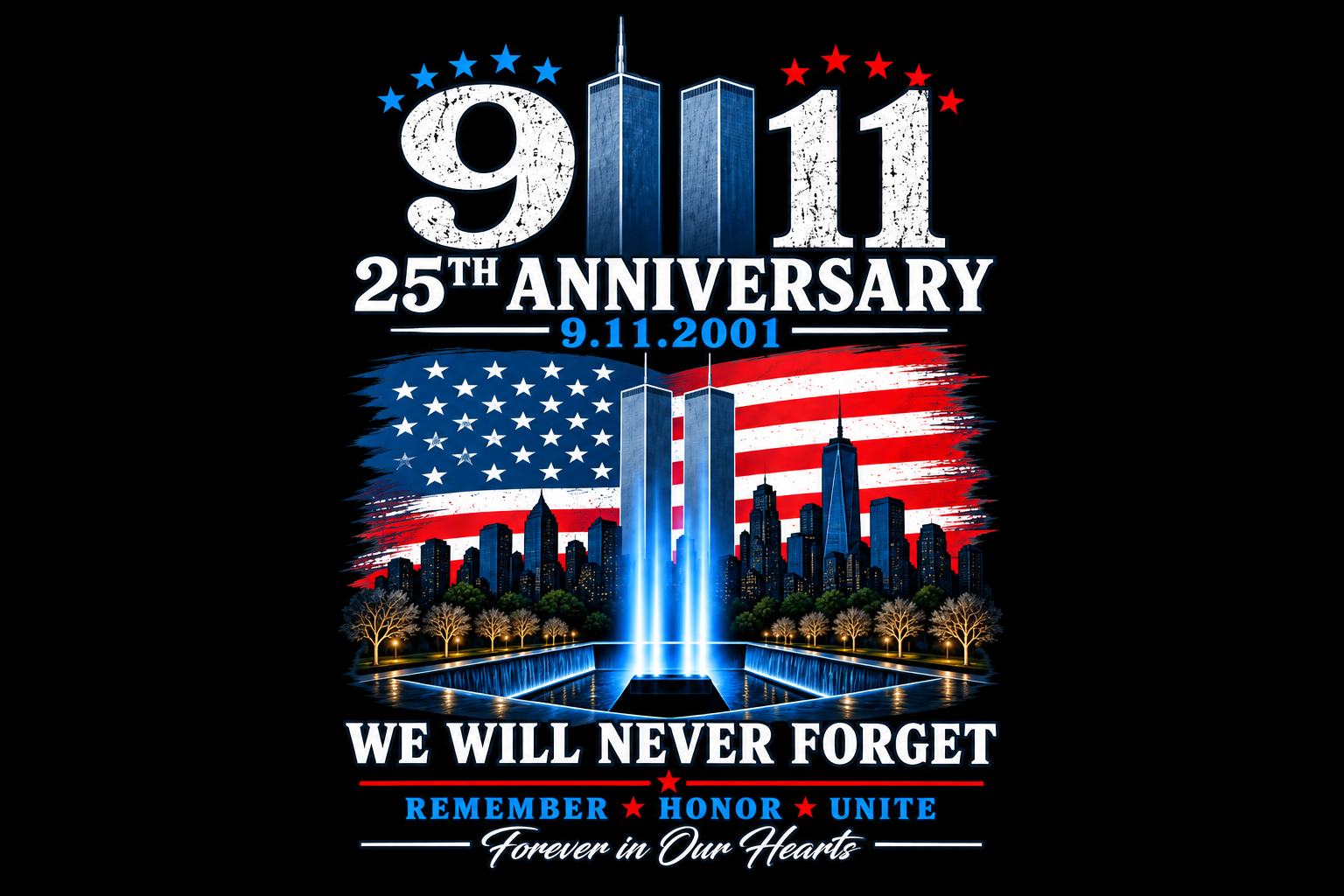
In 2026, interest in the 9/11 attack has risen again because September 11 marks the 25th anniversary of the attacks. Current coverage across the United States is focused on remembrance ceremonies, victims, first responders and the long-term legacy of that morning.
What Was the 9/11 Attack?
The term 9/11 attack refers to four coordinated terrorist attacks carried out on September 11, 2001.
Nineteen members of al-Qaeda hijacked four commercial passenger airplanes.
American Airlines Flight 11 was flown into the North Tower of the World Trade Center.
United Airlines Flight 175 was flown into the South Tower.
American Airlines Flight 77 was flown into the Pentagon.
United Airlines Flight 93 crashed into a field near Shanksville, Pennsylvania, after passengers and crew members fought back against the hijackers.
The attacks were planned as a coordinated operation intended to strike major American landmarks.
The destruction of the Twin Towers became the most recognizable image of the attack, but the events at the Pentagon and aboard Flight 93 were equally important parts of the September 11 story.
What Year Was 9/11?
9/11 happened in 2001.
The attacks occurred on Tuesday, September 11, 2001.
The term “9/11” comes from the American way of writing the date. September is the ninth month, followed by day, 11.
That is why searches such as “what year was 9/11,” “September 11 2001,” “9-11” and “September 11 attack” all refer to the same historic event.
What Time Did 9/11 Happen?
The first attack occurred in the morning on the U.S. East Coast.
At 8:46 a.m. Eastern Time, American Airlines Flight 11 struck the North Tower of the World Trade Center.
At 9:03 a.m., United Airlines Flight 175 struck the South Tower.
At 9:37 a.m., American Airlines Flight 77 struck the Pentagon.
At 9:59 a.m., the South Tower collapsed.
At 10:03 a.m., Flight 93 crashed near Shanksville, Pennsylvania.
At 10:28 a.m., the North Tower collapsed.
These times form the basic 9/11 timeline that is remembered during annual ceremonies.
9/11 Timeline: What Happened That Morning?
7:59 a.m. — American Airlines Flight 11 Departs
American Airlines Flight 11 left Boston Logan International Airport for Los Angeles.
Five hijackers were aboard the aircraft.
The flight was later taken over and redirected toward New York City.
8:14 a.m. — United Airlines Flight 175 Departs
United Airlines Flight 175 departed Boston for Los Angeles.
It would later become the second aircraft used in the attack on the World Trade Center.
8:20 a.m. — American Airlines Flight 77 Departs
American Airlines Flight 77 departed Washington Dulles International Airport for Los Angeles.
The plane was later hijacked and turned toward Washington, D.C.
8:42 a.m. — United Airlines Flight 93 Departs
United Airlines Flight 93 departed Newark International Airport for San Francisco.
The flight was delayed, which became significant because passengers later had additional time to learn about the attacks taking place elsewhere.
8:46 a.m. — Flight 11 Hits the North Tower
American Airlines Flight 11 crashed into the North Tower of the World Trade Center.
The impact struck the upper floors of the building.
At that moment, many people initially did not understand that the United States was facing a coordinated terrorist attack.
9:03 a.m. — Flight 175 Hits the South Tower
United Airlines Flight 175 crashed into the South Tower.
The second impact was broadcast and witnessed by millions of people.
It immediately made clear that the first crash was not an isolated aviation accident.
The United States was under attack.
9:37 a.m. — Flight 77 Hits the Pentagon
American Airlines Flight 77 crashed into the Pentagon near Washington, D.C.
The Pentagon serves as the headquarters of the U.S. Department of Defense, making the attack especially significant from a national-security perspective.
9:59 a.m. — South Tower Collapses
The South Tower collapsed at 9:59 a.m.
Although it was struck after the North Tower, it collapsed first.
The destruction created enormous clouds of dust and debris throughout Lower Manhattan.
Thousands of firefighters, police officers, emergency workers and civilians became involved in rescue and evacuation efforts.
10:03 a.m. — Flight 93 Crashes in Pennsylvania
United Airlines Flight 93 crashed near Shanksville, Pennsylvania.
Passengers and crew members had learned about the other attacks through telephone calls.
They understood that their aircraft was likely being used as part of the wider operation.
A group of passengers decided to fight back.
The struggle prevented the plane from reaching its intended destination.
All 40 passengers and crew members aboard Flight 93 died.
10:28 a.m. — North Tower Collapses
The North Tower collapsed at 10:28 a.m.
Both Twin Towers had now fallen.
The collapse transformed Lower Manhattan and became one of the defining images of the attacks.
How Many People Died in the 9/11 Attack?
A total of 2,977 people were killed in the September 11 attacks, excluding the 19 hijackers.
The National September 11 Memorial & Museum records the victims as follows:
- 2,753 people were killed in New York.
- 184 people were killed at the Pentagon and aboard Flight 77.
- 40 people were killed aboard Flight 93.
The victims came from 90 countries.
The victims included office workers, airline passengers, firefighters, police officers, emergency workers and people who happened to be visiting or working in the affected areas.
The human impact extended far beyond the official death toll.
Thousands of families lost parents, children, spouses, siblings, relatives and friends.
Who Were the 9/11 Hijackers?
Nineteen men hijacked the four aircraft.
According to the FBI, all 19 had been trained by al-Qaeda.
Fifteen were from Saudi Arabia, two were from the United Arab Emirates, one was from Egypt and one was from Lebanon.
The suspected pilots included Mohamed Atta, Marwan al-Shehhi, Ziad Jarrah and Hani Hanjour.
The FBI investigation found that the hijackers began entering the United States in January 2000 and that all 19 were in the country by early July 2001.
The investigation became one of the largest criminal investigations in FBI history.
Who Was Osama bin Laden?
Osama bin Laden was the founder and leader of al-Qaeda.
The FBI says investigators determined that bin Laden’s terrorist organization was responsible for the 9/11 attacks and that bin Laden eventually acknowledged his role in orchestrating them.
Following the attacks, the United States and its allies launched military operations in Afghanistan against al-Qaeda and the Taliban government that had provided sanctuary to the organization.
Bin Laden remained at large for nearly a decade.
On May 2, 2011, U.S. special operations forces raided his compound in Abbottabad, Pakistan, and killed him.
Why Did Al-Qaeda Attack the United States?
The 9/11 attacks grew out of al-Qaeda’s extremist ideology and its opposition to U.S. policies and influence.
Osama bin Laden had previously issued declarations against the United States, while al-Qaeda had already carried out terrorist attacks against American targets before September 2001.
The 9/11 Commission documented earlier al-Qaeda operations, including the 1998 U.S. embassy bombings in Kenya and Tanzania and the 2000 attack on the USS Cole.
The September 11 operation represented a major escalation.
It was designed to cause mass casualties and strike highly symbolic American targets.
What Happened to the World Trade Center?
The World Trade Center was a major commercial complex in Lower Manhattan.
The Twin Towers were among the world’s most recognizable buildings.
American Airlines Flight 11 struck the North Tower.
United Airlines Flight 175 struck the South Tower.
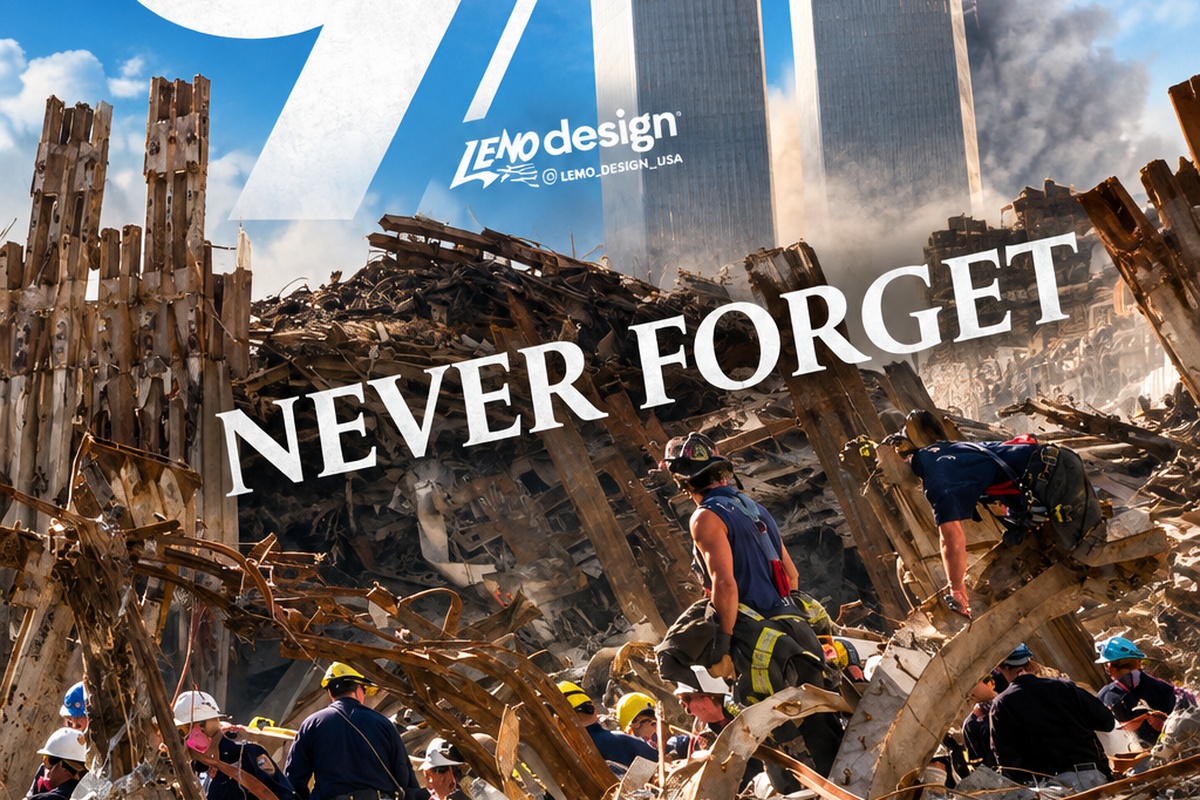
Both towers eventually collapsed after sustaining severe structural damage and intense fires.
The surrounding World Trade Center complex was also heavily damaged.
The area became widely known as Ground Zero.
Over the following years, the site was transformed into a place of remembrance as well as a rebuilt commercial and transportation complex.
Today, the National September 11 Memorial & Museum occupies part of the former World Trade Center site.
What Happened to the Pentagon on 9/11?
The Pentagon was struck by American Airlines Flight 77 at approximately 9:37 a.m.
The aircraft hit the western side of the building.
The attack killed people aboard the aircraft and inside the Pentagon.
A total of 184 people were killed at the Pentagon and aboard Flight 77.
The Pentagon continues to serve as the headquarters of the U.S. Department of Defense.
A memorial at the site honors the people who died there.
Why Did Flight 93 Crash in Pennsylvania?
Flight 93 was traveling from Newark to San Francisco when it was hijacked.
Passengers and crew members began receiving information about the attacks on the other planes.
They realized that the hijackers intended to use their aircraft as part of the terrorist operation.
Passengers then organized an attempt to regain control.
The effort led to the aircraft crashing near Shanksville, Pennsylvania, at 10:03 a.m.
The intended target was never reached.
The courage of the passengers and crew members became one of the most enduring stories of September 11.
The site is now home to the Flight 93 National Memorial.
What Was the Impact of 9/11 on the United States?
The consequences of 9/11 reached far beyond the buildings that were destroyed.
The attacks transformed U.S. national security policy, airport security, intelligence operations, foreign policy and public discussions about terrorism.
They also influenced everyday life.
Travelers became familiar with much stricter airport screening.
Government agencies began sharing intelligence differently.
Counterterrorism became a central national-security priority.
The FBI itself underwent major changes after the attacks, with prevention of future terrorist attacks becoming a much greater focus.
How Did 9/11 Change Airport Security?
Airport security changed dramatically after the attacks.
The federal government created the Transportation Security Administration, commonly known as TSA.
The Aviation and Transportation Security Act became law in November 2001 and established the federal framework that led to TSA taking responsibility for airport security screening.
Passengers gradually became accustomed to stricter screening of people and baggage, controlled access to secure areas and reinforced cockpit security.
Many airport procedures that are considered normal today developed from the post-9/11 security environment.
How Did 9/11 Change the U.S. Government?
One of the biggest institutional changes was the creation of the Department of Homeland Security.
The Homeland Security Act of 2002 brought numerous federal agencies and responsibilities together under a new Cabinet-level department.
The goal was to improve coordination between government agencies responsible for protecting the country against terrorism and other national threats.
The attacks also changed the FBI’s role.
Instead of focusing primarily on investigating crimes after they occurred, the Bureau increasingly emphasized intelligence, prevention and identifying threats before an attack could happen.
What Was the Patriot Act?
The USA PATRIOT Act was passed by Congress shortly after the attacks.
The law expanded federal powers related to terrorism investigations, intelligence gathering, surveillance and financial investigations.
Supporters argued that stronger investigative tools were necessary to prevent another major terrorist attack.
Critics raised concerns about privacy and civil liberties.
The debate surrounding the law became an important part of the post-9/11 political landscape.
How Did 9/11 Change U.S. Foreign Policy?
The attacks fundamentally changed American foreign policy.
The United States launched military action in Afghanistan in October 2001 against al-Qaeda and the Taliban.
Congress had also authorized the use of military force against those responsible for the attacks and those who harbored them.
The conflict became America’s longest major war.
The broader post-9/11 period also included military operations and counterterrorism campaigns in other parts of the world.
It is important to distinguish the Iraq War from the direct responsibility for the September 11 attacks. Iraq was not responsible for carrying out 9/11.
What Were the Health Effects of 9/11?
The 9/11 story did not end when the fires were extinguished.
First responders, recovery workers, volunteers, residents and others were exposed to dust, smoke and other hazardous materials following the World Trade Center collapse.
Many later developed serious health conditions.
The World Trade Center Health Program, operated through the CDC and other federal structures, provides monitoring and treatment for eligible responders and survivors affected by the attacks.
The long-term health effects include respiratory illnesses, certain cancers and other physical and psychological conditions.
These consequences are one reason the legacy of 9/11 continues to affect people who survived the attacks as well as those who responded afterward.
What Is the 9/11 Memorial?
The National September 11 Memorial is located at the former World Trade Center site in Lower Manhattan.
Two large reflecting pools occupy the footprints of the Twin Towers.
The names of those killed in the 2001 attacks are inscribed around the pools.
The memorial also honors the six people killed in the February 26, 1993 World Trade Center bombing.
The site has become one of the most important places of remembrance in the United States.
What Is the 9/11 Memorial Museum?
The National September 11 Memorial & Museum documents the history of the attacks and their aftermath.
Its collection includes artifacts, photographs, recordings and personal stories connected to September 11.
The museum serves an especially important role for younger generations who were born after 2001.
For people who did not experience the day themselves, these records provide historical context and help explain the human cost behind the numbers.
What Is the 9/11 25th Anniversary?
September 11, 2026, marks the 25th anniversary of the attacks.
The anniversary has generated renewed national and international attention.
Ceremonies are being held in New York, at the Pentagon and at the Flight 93 National Memorial in Pennsylvania.
At the National September 11 Memorial in New York, victims’ families traditionally read the names of those who died.
The 2026 commemoration includes a new moment of silence recognizing people who later died from illnesses associated with exposure during the rescue, recovery and cleanup operations.
The 25th anniversary therefore recognizes not only those who died on September 11, 2001, but also the long-term human consequences of the attacks.
Why Is 9/11 Trending in 2026?
The timing of the current search surge is closely connected to the 25th anniversary.
The Google Trends data supplied for this article shows “9/11 attack” among the major U.S. trending searches, with 100K+ search interest and a reported 400% increase.
The related searches shown in the trend breakdown include:
September 11 2001
9/11 timeline
9/11 25th anniversary
9/11 memorial
911 memorial
never forget 911
World Trade Center
September 11
9 11
what time did 9/11 happen
911 attack
what year was 9/11
9-11
9/11 timeline of events
9/11 never forget
These searches reveal several different forms of intent.
Some people want basic historical information.
Others want the exact timeline.
Some are searching for memorial information.
Others are looking for anniversary events and the continuing impact of the attacks.
That is why the 25th anniversary has produced such a broad search-interest spike.
How Is 9/11 Being Remembered on Its 25th Anniversary?
On September 11, 2026, memorial events were taking place across the United States.
The main commemorations are centered on three locations: New York City, the Pentagon and Shanksville, Pennsylvania.
In New York, victims’ names are being read during the anniversary ceremony at the World Trade Center site.
At the Pentagon, officials and families are commemorating those who died in the attack.
At the Flight 93 National Memorial, ceremonies are remembering the passengers and crew members who fought back.
The anniversary is also being observed through community events, public service projects and local memorial ceremonies across the country.
Why Do People Say “Never Forget 9/11”?
“Never Forget” became the phrase most closely associated with 9/11 remembrance.
Its meaning is straightforward: the victims should not be forgotten, and the events of September 11 should remain part of historical memory.
For families who lost loved ones, remembrance is personal.
For first responders, it can represent colleagues who never returned home.
For younger generations, it represents a commitment to understanding an event they may know only through photographs, documentaries and history lessons.
The phrase has therefore become more than a slogan.
It represents an ongoing effort to preserve memory.
What Does 9/11 Mean for Younger Generations?
People born after September 11, 2001, have no personal memory of the attacks.
For them, the Twin Towers exist primarily through historical photographs and recordings.
The 25th anniversary is therefore an important generational milestone.
It is an opportunity to explain not only what happened, but also why the event changed American life.
Understanding 9/11 requires knowing the timeline, the victims, the emergency response and the political consequences.
It also means understanding that the effects continued long after September 11 itself.
What Is the Legacy of the 9/11 Attack?
The legacy of 9/11 can be seen in airport security, counterterrorism operations, intelligence sharing and U.S. foreign policy.
It can also be seen in the lives of first responders and survivors who continue to deal with health consequences.
The FBI describes the 9/11 investigation as its largest case, involving enormous numbers of leads and evidence from the attack sites.
The attacks also changed how Americans thought about national security.
Before 9/11, many people did not expect commercial aircraft to be deliberately used as weapons on such a massive scale.
Afterward, terrorism became one of the central concerns of U.S. national policy.Continue Exploring Our Latest Article:Shailene Woodley and Aaron Rodgers: What Happened to Their Relationship?
People Also Ask About the 9/11 Attack
What happened on 9/11?
Nineteen al-Qaeda terrorists hijacked four commercial airplanes. Two hit the World Trade Center, one struck the Pentagon and one crashed near Shanksville, Pennsylvania, after passengers fought back.
What year was 9/11?
The 9/11 attacks happened on September 11, 2001.
What time did the 9/11 attack start?
The first plane hit the North Tower at 8:46 a.m. Eastern Time.
How many people died on 9/11?
A total of 2,977 people were killed, excluding the 19 hijackers.
How many planes were hijacked on 9/11?
Four commercial airplanes were hijacked.
What happened to Flight 93?
Flight 93 crashed near Shanksville, Pennsylvania, after passengers and crew members attempted to regain control of the aircraft.
Where is the 9/11 Memorial?
The National September 11 Memorial is located at the former World Trade Center site in Lower Manhattan, New York City.
When is the 9/11 25th anniversary?
The 25th anniversary is September 11, 2026.
Who carried out the 9/11 attacks?
The attacks were carried out by 19 al-Qaeda terrorists.
Who was Osama bin Laden?
Osama bin Laden was the founder and leader of al-Qaeda and was identified by U.S. authorities as the organizer behind the attacks. He was killed by U.S. forces in Pakistan in 2011.
Why is 9/11 still important today?
The attacks continue to affect American national security, foreign policy, airport security, public memory and the health of survivors and first responders.
Why is 9/11 trending in 2026?
The primary reason is the 25th anniversary of the September 11, 2001 attacks, which is generating renewed public remembrance, news coverage and searches across the United States.
9/11 Attack: Final Takeaway
The 9/11 attack changed the United States and left a lasting mark on the world.
Twenty-five years later, the timeline, victims and consequences remain central to understanding why September 11, 2001, is remembered as a defining moment in modern history.