
University of Metaphysics vs University of Metaphysical Sciences: 5 Best Key Differences
The rising global interest in alternative spirituality, consciousness studies, and holistic healing has turned non-traditional education into a booming sector. When evaluating distance learning options, many students compare the university of metaphysics vs university of metaphysical sciences to determine which path offers the right spiritual and educational framework. For adult learners seeking structured credentials in non-material philosophy, distance-learning spiritual institutions offer a unique path. However, navigating this space often leads to confusion due to remarkably similar institutional names.
📌 Important Institutional Notice: While both distance-learning centers specialize in non-traditional metaphysical degrees, neither institution holds regional accreditation recognized by the U.S. Department of Education. Degrees operate legally under state religious exemption status.
Two of the most prominent names in this sector are the University of Metaphysics and the University of Metaphysical Sciences (UMS). While both institutions cater to individuals interested in spiritual growth, energy healing, and metaphysical doctorate degrees, they differ fundamentally in their operational histories, curriculum philosophies, degree tracks, and legal trajectories.
Understanding these structural and academic differences is essential before enrolling or investing in a distance-learning program. When examining the university of metaphysics vs university of metaphysical sciences, students must look beyond institutional titles to evaluate core values, course structures, and career goals. This guide breaks down every critical distinction to help prospective students make an informed, confident choice.
What Is the Core Philosophy Behind Each School?
To understand how these institutions diverge, it helps to examine their founding principles and institutional focuses. While both operate outside mainstream academia, their underlying frameworks serve distinct student goals.
The University of Metaphysics Framework
Founded under the umbrella of the International Metaphysical Ministry (IMM), the University of Metaphysics operates primarily as a theological, ministry-focused distance school. Its program structure centers heavily on higher consciousness, New Thought philosophy, transcendental meditation, and pastoral counseling.
Students completing degrees through this pathway are generally prepared to serve as ordained ministers, spiritual counselors, or practitioners within the broader IMM framework. The curriculum leans heavily into traditional metaphysical theology, practical prayer techniques, and spiritual leadership.
The University of Metaphysical Sciences Framework
The University of Metaphysical Sciences (UMS) was established as a non-profit distance-learning facility with a broader, multi-disciplinary approach to spiritual studies. Instead of focusing primarily on a single theological lineage, UMS incorporates a wider spectrum of modern consciousness studies, ancient wisdom traditions, energy medicine, intuition development, and transpersonal psychology.
UMS positions its coursework as a journey of personal transformation combined with academic exploration, catering to life coaches, meditation instructors, authors, and independent metaphysical researchers.
Comparing Curriculum and Structure: University of Metaphysics vs University of Metaphysical Sciences
Both institutions utilize self-paced distance learning, allowing adult students to complete modules alongside work and personal commitments. However, comparing the university of metaphysics vs university of metaphysical sciences reveals significant differences in academic delivery and structure.
- Parent Organization: University of Metaphysics is tied to the International Metaphysical Ministry (IMM), whereas UMS operates as an independent non-profit educational facility.
- Primary Focus: University of Metaphysics emphasizes metaphysical theology and ordained ministry, while UMS prioritizes spiritual sciences, intuition development, and holistic healing modalities.
- Learning Delivery: University of Metaphysics provides module study guides with open-book exams, while UMS offers downloadable audio and PDF materials alongside an interactive student portal.
- Ordination: Ordination as a minister is an integrated requirement at the University of Metaphysics, whereas at UMS, ordination is an optional addition to the academic track.
Are These Institutions Accredited by Mainstream Agencies?
A critical point of clarity for any prospective student involves accreditation. Neither the University of Metaphysics nor the University of Metaphysical Sciences holds regional or national accreditation recognized by the U.S. Department of Education or the Council for Higher Education Accreditation (CHEA).
Students looking to verify international higher education standards and non-traditional degree frameworks can consult the official UNESCO Higher Education Database for regulatory guidelines.
Because these schools teach subjects rooted in spirituality, intuition, and non-empirical philosophy, their degrees operate under religious-exempt status in their respective jurisdictions.
These degrees are granted legally under state exemptions for religious or theological institutions. They are intended for private practice, holistic coaching, writing, or ministerial work. They cannot be transferred to traditional universities or used for state-licensed professions such as clinical psychology or licensed counseling.
Degree Programs and PhD Tracks: University of Metaphysics vs University of Metaphysical Sciences
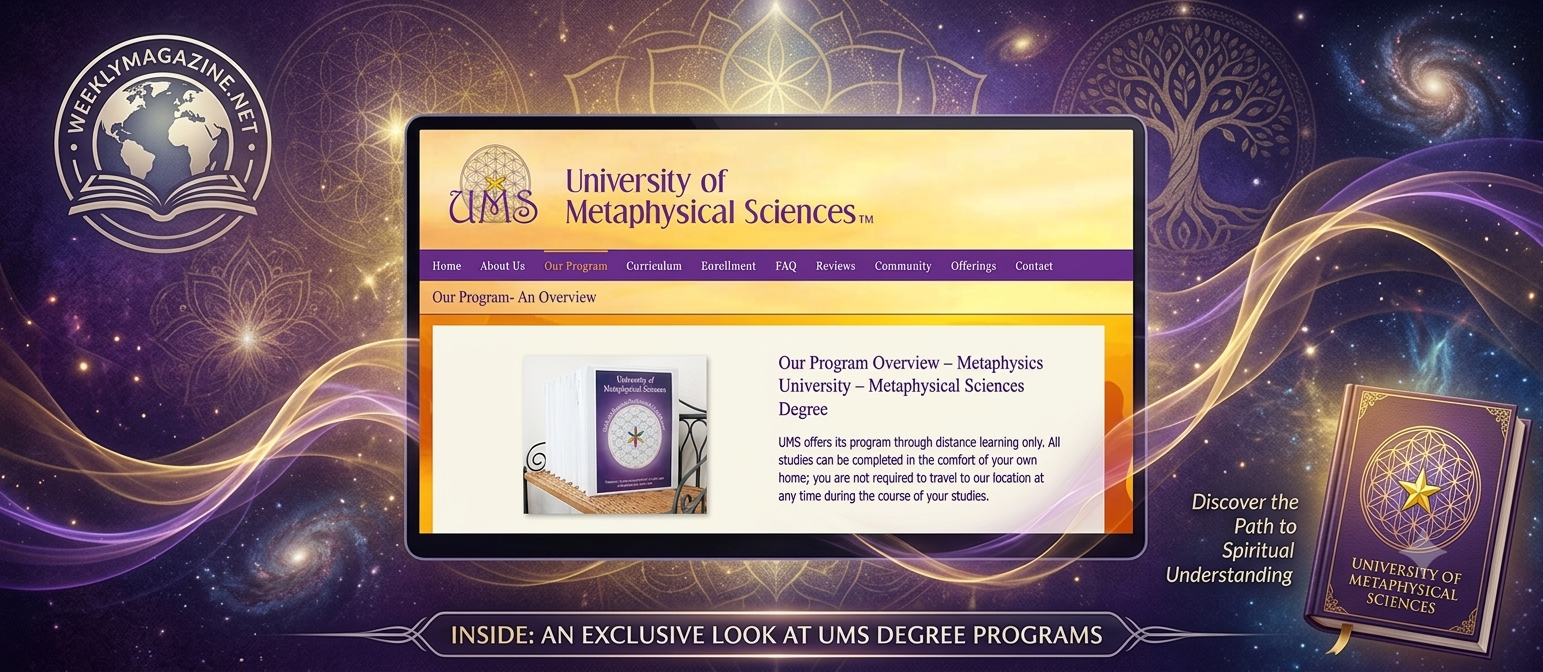
Both schools offer complete learning tracks from Bachelor’s to Doctoral degrees, but analyzing the university of metaphysics vs university of metaphysical sciences shows that specialization paths vary considerably depending on career aspirations. To review specific curriculum blueprints and degree specifications, you can explore the University of Metaphysical Sciences Official Portal.
At the University of Metaphysics, students progress systematically from a Bachelor of Metaphysical Science (B.Msc.) to a Master’s (M.Msc.) before selecting a doctoral path. The undergraduate level focuses on foundational metaphysics and meditation techniques, while the graduate level involves intensive module study on spiritual leadership. Advanced Ph.D. specializations—such as Metaphysical Counseling or Pastoral Psychology—are completed through its affiliate, the University of Sedona.
Conversely, the University of Metaphysical Sciences provides a broader curriculum where students can select electives tailored to their specific interests. Undergraduate coursework ranges from chakras and world religions to shadow work and practical meditation. At the doctoral level, UMS students can earn degrees such as Doctor of Metaphysics (D.Met.), Doctor of Divination (D.Div.), or Doctor of Philosophy (Ph.D.) in Metaphysical Sciences, requiring a detailed research dissertation.
What Legal and Institutional Updates Should Students Know?
In recent years, competition within the online metaphysical education space led to legal disputes between major organizations regarding brand naming, intellectual property, and institutional claims.
⚖️ Official Legal Status Update: Court records confirm that legal disputes between competitor organizations were fully concluded in May 2025 with all claims dismissed, allowing both institutions to operate independently under state religious exemptions.
A major concern for inquiring students researching the university of metaphysics vs university of metaphysical sciences involved legal proceedings between competitor organizations. Recent public court records confirm that legal disputes surrounding trademark and organizational operations were formally resolved.
Specifically, court decisions resulted in the full dismissal of competitor claims against the University of Metaphysical Sciences without liability or financial settlement. For students, this resolution means both institutions continue to operate independently within their established legal frameworks as religious-exempt providers of spiritual education.
Career Opportunities and Practical Application
When weighing the university of metaphysics vs university of metaphysical sciences, career outcomes play a decisive role. Neither institution prepares students for conventional corporate positions or licensed healthcare roles. Instead, these degree tracks are structured specifically for entrepreneurs, practitioners, and spiritual leaders.
For more trending articles, educational comparisons, and detailed career guides, visit Weekly Magazine Net to explore our latest publication updates.
Graduates from both schools frequently establish independent practices in fields such as energy healing, intuitive consulting, life coaching, and non-denominational spiritual guidance. Furthermore, many alumni utilize their training to write books, publish educational content, host podcasts, and conduct personal growth workshops globally.
Which Metaphysical School Fits Your Personal Goals?
Choosing between these two institutions depends entirely on what you hope to achieve with your degree. When evaluating the university of metaphysics vs university of metaphysical sciences, your choice should match your spiritual alignment and long-term vision.
If your primary goal is to become an ordained spiritual minister, lead a congregation, or follow a traditional theological framework backed by a long-standing ministry organization, the University of Metaphysics is well aligned with your vision.
If you prefer a modern, comprehensive curriculum covering diverse holistic arts, value flexibility in choosing electives tailored to coaching or writing, and want to complete an original research dissertation, the University of Metaphysical Sciences offers the broader model.
Frequently Asked Questions
Can you get a job with a degree in metaphysics?
A degree in metaphysics is designed for self-employment, private consulting, life coaching, holistic practitioner work, or spiritual authoring. It does not qualify you for state-licensed professions in medicine, clinical therapy, or traditional public school teaching.
How long does it take to complete a metaphysical doctorate online?
Because both institutions offer self-paced programs, completion times vary. Most students complete their coursework and doctoral dissertation within two to four years, depending on dedicated study time.
Syeda
Global Link Building Specialist & Content Writer
Syeda is a dedicated Global Link Building Specialist and Content Writer focused on helping brands improve online visibility through high-impact content and strategic authority building. With extensive expertise in off-page outreach, digital marketing, and multi-niche content creation, she delivers actionable insights that boost website domain authority and search engine performance.