
Every year the islands of Hawaii come alive with a lot of color, music and motion. This is not about looking at beautiful tropical scenery. It is a celebration of Hawaiian culture and identity. The main events are the Aloha Festivals and the Mamaloa or Fest PAC gatherings. Also fashion weeks like Hawaii Fashion Week and the MAMo Wearable Art Show.
These events are not just for fun. They are like a living history book. They show how Hawaiian people are reclaiming their history and culture. They also show how Hawaiian people are innovating and moving forward. To understand these celebrations we need to look at how Hawaiian people use fabric, flowers and fashion to tell their story.
The Historical Tapestry from Kapa to the Holokū
To appreciate Hawaiian fashion we need to look at its roots. A time ago before Western people came to Hawaii; Hawaiian clothing was closely tied to nature and spiritual things. The main fabric used was kapa, which is a type of cloth made from the bark of the tree. This kapa fabric was really something
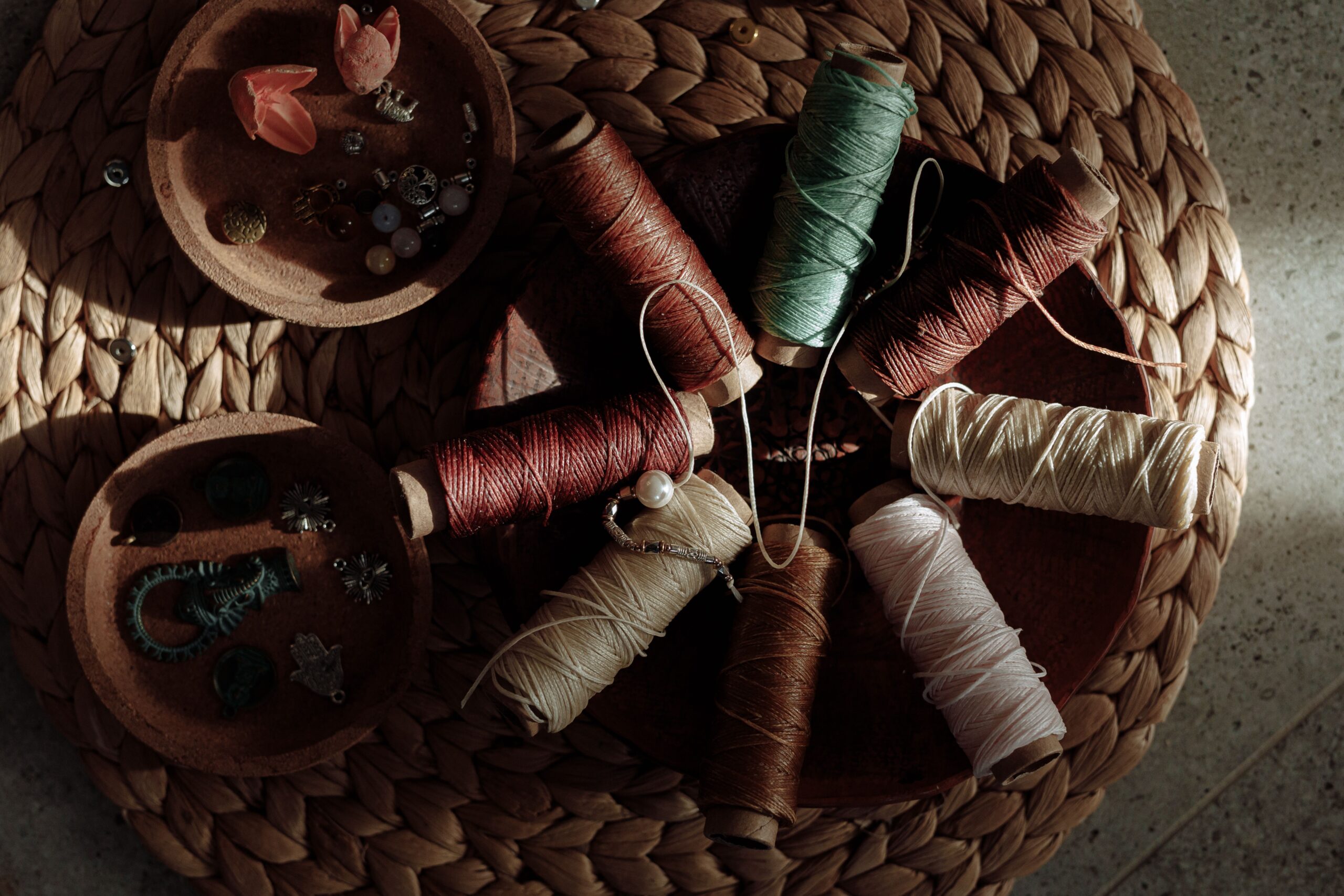
Kapa fabric was made by people and mostly women did this job. They made the kapa fabric colorful by using dyes from plants and earth. The kapa fabric had patterns on it, which were made using bamboo stamps. These patterns on the kapa fabric often showed the status and family history of the person who wore it.
The Arrival of Western Textiles
When Christian missionaries came to Hawaiʻi in the 1800s they brought types of fabric like calico and silk with them. The Hawaiian people used these fabrics to create their unique clothing.
The Hawaiian people really liked these fabrics. They used them to make their own clothes.
- The Holokū: Some missionaries came to Hawaii. They introduced a type of dress called the holokū. The holokū was a flowing gown that people wore. The Hawaiian royalty liked the holokū much that they made it their own special dress by adding a train and other pretty decorations to the holokū. Today people still wear the holokū for occasions like weddings because the holokū is a symbol of nobility and the Hawaiian people love the holokū.
- The Muʻumuʻu: A time ago the muʻumuʻu was something people wore under their other clothes or, as a simple dress.Over time the muʻumuʻu became a type of clothing that people still love to wear today. You can see people wearing the muʻumuʻu on Hawaii streets.
The Epicenter of Heritage The Aloha Festivals
The Aloha Festivals are a celebration of culture and heritage. The festivals started in 1946 to preserve and share the culture after World War II. The Aloha Festivals are really important, for culture and heritage.
The Royal Court: An Authentic Tribute
The Royal Court is an important part of the Aloha Festivals. It is a reenactment of royalty and the participants must be able to trace their family history back to Native Hawaiian ancestors. The Royal Court is not a parade; it is a way of showing respect for Hawaiian culture and history.
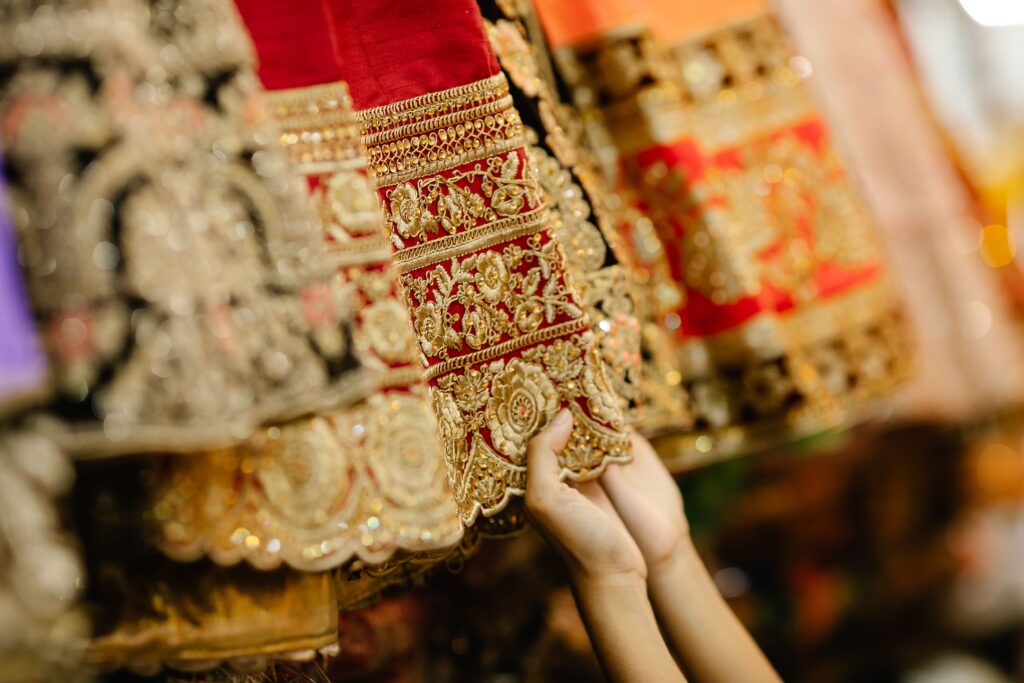
The clothing worn by the Royal Court is very beautiful and meaningful. The king and ranking chiefs wear feather capes and helmets which are replicas of traditional Hawaiian clothing. The queen and her court wear satin and velvet holokū. These holokū are really pretty because they have jewelry on them. This jewelry is made from things like shells and pearls and jade.
The Floral Parade: Fashion in Motion
The festivals come to an end with a parade, through Waikīkī. During the parade women ride horses. They wear long skirts that flow behind them. They also wear leis that are made from lots of flowers and plants. The queen and her court wear holokū to these kinds of events too. They like to wear satin and velvet holokū because they’re so nice. Each island has its color and flower and the riders and their horses are decorated with intricate floral arrangements.
The Modern Renaissance: Art and Indigenous Design
While history is important the annual celebrations are also about the future. In years Native Hawaiian designers have been creating new and innovative clothing that is authentic and meaningful.
The MAMo Wearable Art Show
The MAMo Wearable Art Show is a deal because it shows off the work of Native Hawaiian designers. The show is not really about clothes it is about telling stories fighting for what’s right and keeping the Native Hawaiian culture alive. These designers use clothes to talk about issues honor their ancestors and show people the traditional ways of making things.
Making the Aloha Shirt Special
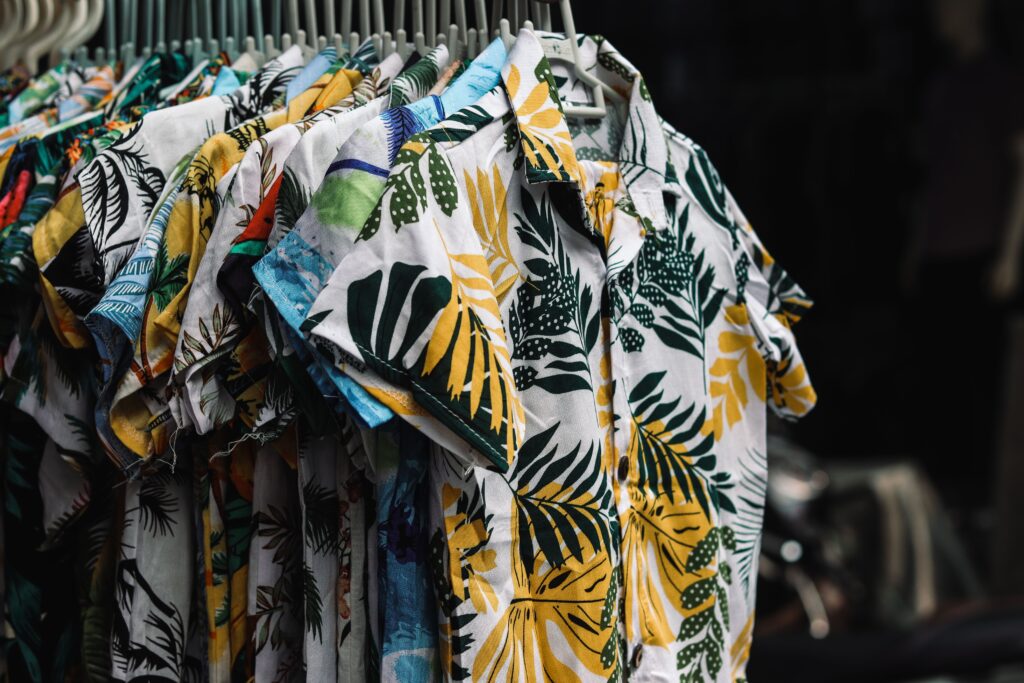
The yearly celebrations of fashion have also helped make the Aloha shirt more special. The Aloha shirt is not something tourists buy it is now a piece of art that tells stories and honors the Hawaiian way of life. Designers like Sig Zane, Manaola Yap and Kealopiko have made designs that mean something and these designs come from history and culture.
Hula is a Big Part of Fashion
- Hula is a part of Hawaiian culture. It is closely tied to clothes and heritage.
- At events like the Merrie Monarch Festival hula dancers wear clothes.
- These clothes are part of the story or prayer they are sharing.
- The clothes are not just for looking good.
- They help connect with the world and show respect, for culture and hula traditions.
Hula dancers use these clothes to honor their heritage and share it with others through hula.
Part of the Outfit What it Means
- These are the skirts the dancers wear. They are often colored with plants, like turmeric or noni.
- These are the flowers and plants worn on the head, neck, wrists and ankles. They invite certain spirits to be present.
- Natural Adornments the boar tusks, dog teeth and polished kukui nuts that are used to make anklets and necklaces which add rhythm to the dance and honor the animal kingdom.
The Global Impact and Preservation of Identity
The annual fashion and heritage celebrations in Hawaiʻi are very important for preserving culture and identity. They help to educate people about the difference between Hawaiian culture and mass-produced “tiki culture.” They also support entrepreneurs and artists and they stimulate the local economy.
By taking control of their narrative Native Hawaiian creators are able to share their story and their culture with the world. They are able to show that Hawaiian fashion is not about beautiful clothing; it is about history, culture and identity.
A Living Fabric
The annual celebration of fashion and heritage is a living and breathing thing. It is a manifestation of the Aloha Spirit, which’s, about love, respect and compassion. It is a reminder of the resilience and strength of the people, who have survived many challenges and are still thriving today.
The music stops at the end of the flower parades and the lights on the runway go out.. The effect of these big parties stays with us. The stories that are part of the clothes the power that is, in the patterns that people stamp by hand and the pride that people feel make sure that the traditions of Hawaiʻi will keep being worn celebrated and respected for a very long time. The people of Hawaiʻi will always remember their heritage. Keep it alive for the people of Hawaiʻi to enjoy. The heritage of Hawaiʻi is something that the people of Hawaiʻi really care about.