
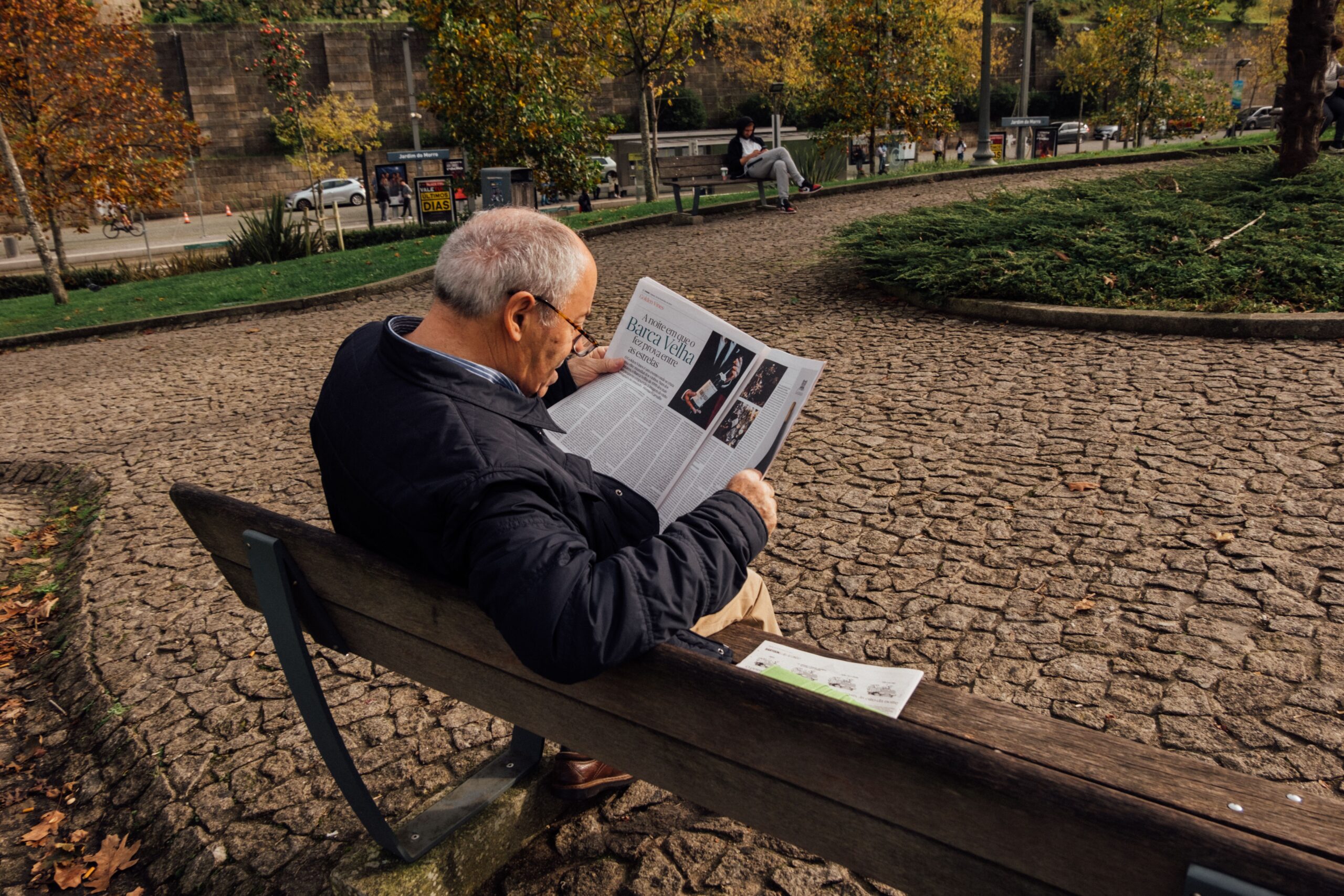
The Evolution, Anatomy and Metamorphosis of Newspapers and Magazines. Newspapers and magazines are more than ways to get information to people. They are actually very important because Newspapers and magazines have been around, for a time. Newspapers and magazines do a lot of things for us. They are institutions that shape public reality. They have sparked revolutions, exposed corruption and given voice to movements.. The printing press is going through a big change. To understand the media ecosystem we need to look at the history, structure and role of these two pillars of the press.
Newspapers and magazines have roots. They serve needs and use different technologies.
- The Rise of the Daily Newspaper
The earliest newspapers were government announcements. In China officials used hand-written news sheets called Dibao. The invention of type in Europe made it easier to spread information. The first daily newspaper, the Daily Courant was born in London in 1702. Magazines developed slowly. The world’s first magazine that people liked to read The Gentleman’s Magazine was published in London in the year 1731.
- The differences, in the body
Newspapers and magazines differ in design writing style and relationship with time.
The Newspaper’s Engine.
The inverted pyramid is the backbone of print reporting. This writing technique puts the critical information first. It arose during the American Civil War out of necessity.
1. Form and Narrative Architecture
Magazines use narrative journalism. Writers bring techniques to factual reporting. A classic magazine feature leads with a scene. Yes its very nessorry.
2. Democracy, Muckraking and Accountability
The historical impact of print journalism on democracy is huge. The press is called the Fourth Estate. Daily newspapers remain the investigative engine for local communities.
o The Watergate Scandal in 1972 was big. Bob Woodward and Carl Bernstein, from The Washington Post found out about a spying operation.
o In 2002 The Boston Globe did an investigation called “Spotlight”. They discovered that the Catholic Archdiocese was hiding cases of abuse. The Evolution, Anatomy and Metamorphosis of Newspapers and Magazines
When a local newspaper shuts down public corruption often spikes.
Magazines have always focused on doing deep investigations.
Ida Tarbell took on Standard Oil in 1902: Ida Tarbell showed how Standard Oil, which was owned by John D. Rockefeller was doing some bad business things.
Upton Sinclair made an impact: Upton Sinclair investigated the meatpacking plants, in Chicago and this led to the government passing the Pure Food and Drug Act in 1906.
The Economic Engine
The financial survival of both newspapers and magazines rests upon a dual-revenue model.
- They sell readers attention to advertisers.
- The Advertising Subsidization Scale
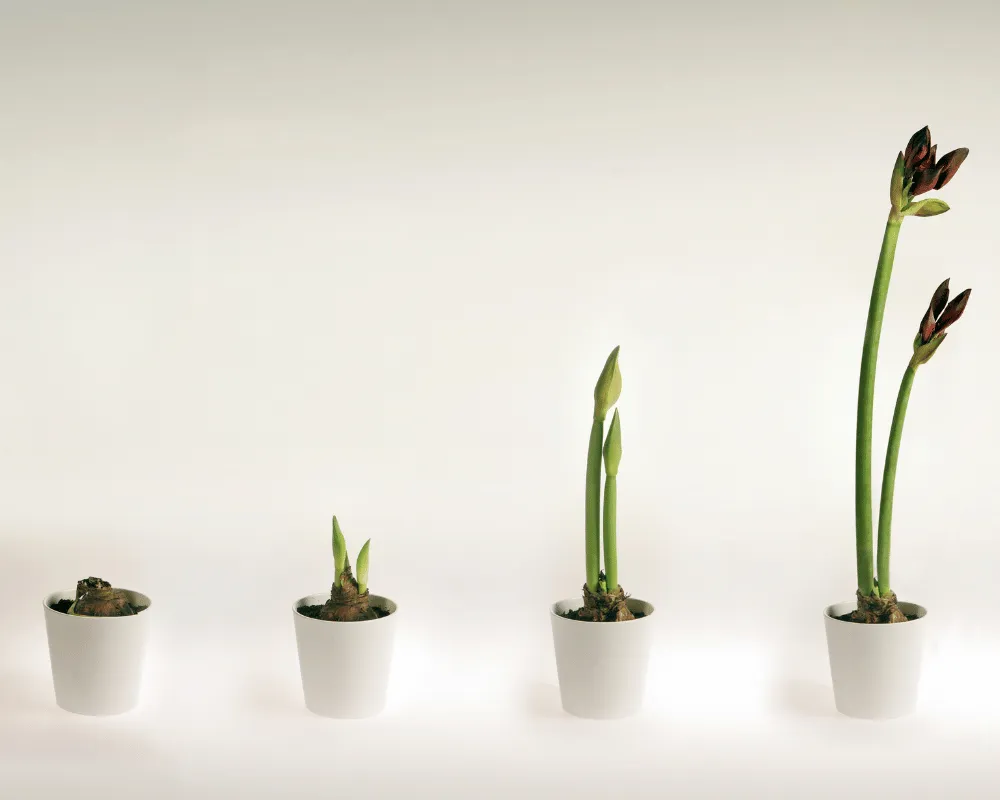
Newspapers relied on display advertising and classified advertisements. Magazines leveraged their specific audience demographics to charge top dollar for glossy full-page spreads.
The Structural Vulnerability of the Model
This economic structure possessed a vulnerability: it decoupled the financial health of the newsroom from the direct support of the audience.
The Digital Cataclysm
The transition from an analog world to a digital network struck print media with the force of an existential asteroid.
The Decimation of the Print Bundle
Historically consumers bought a newspaper for its entire cultural bundle. The internet systematically unbundled this package.
- Classified Ads: migrated over to platforms like Craigslist and eBay.
- Real Estate Listings: shifted to web services like Zillow and weeklymagazine.net.
The Content Commodity Trap and Attention Economics
When print titles first ventured onto the early World Wide Web most executives made a catastrophic strategic miscalculation: they gave away their core content for free.
The Digital Renaissance
Faced with collapse surviving newspapers and magazines engineered radical structural reinventions. Today the media ecosystem is settling into a set of modern operational playbooks.
The Substack Revolution and Direct Journalism
The democratization of publishing platforms has allowed journalists to step out from traditional newsrooms entirely. Platforms like Substack and Ghost enable reporters to build highly customized niche newsletter publications directly funded by their target readers via monthly micro-payments.
Premium Print, as an Aesthetic Luxury Object
As digital delivery handles updates physical magazines are changing. The usual stock monthly magazine is being replaced by high-end bookazines or premium indie quarterlies. These new magazines focus on properties like heavy paper, artistic covers, simple designs and fine photography. Print is no longer a way to get daily information; it has become a way to escape from digital screens.
Ethos, Ethics and the Future of Truth in the Algorithmic Era
The challenge for newspapers and magazines today is not just about money; it’s also about how people think. In a world controlled by algorithms traditional editorial standards are struggling.
- Editorial Filtering vs. Algorithmic Feeds
The product of a traditional newspaper or magazine is not the ink or pixels; it’s the careful selection of stories. In a newsroom an article goes through many checks. Algorithmic social platforms work differently. This creates tension for news institutions: do they stick to careful editing or write sensational headlines to get more traffic?
- The Artificial Intelligence Frontier
The emergence of Generative AI brings both creative tools and serious questions to modern newsrooms. Some organizations use automation to streamline operations freeing up reporters to do deeper work. However the proliferation of automated content generation also threatens to flood the landscape with low-cost unverified AI clickbait.
The Endurance of the Documented Word
Newspapers and magazines will likely become more specialized and rare. However the fundamental need that created them remains unchanged. Human society needs watchdogs to monitor power. We need curators to cut through noise synthesize events and craft coherent narratives that give meaning to our times. Whether read on paper or a digital display the ethos of journalism remains essential, to our shared reality.