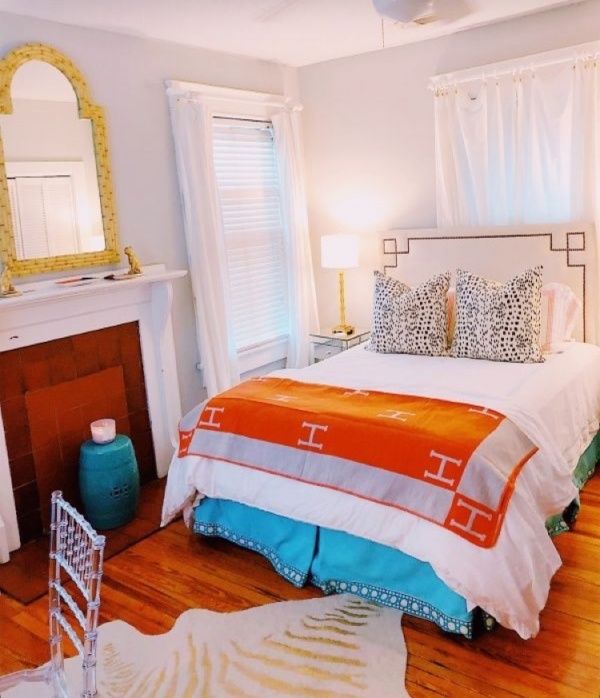

The best girls’ bedroom ideas do more than make a room look pretty. A well-designed girl’s bedroom needs to feel personal, comfortable and practical while giving her enough space to sleep, study, play, relax and store the things she actually uses.
That is also where bedroom design has changed in 2026.
The old formula of pink walls, matching furniture and a few themed accessories is no longer the only way to create a beautiful room. Current children’s bedroom design is moving toward more individual colour choices, flexible furniture, clever storage, layered lighting and rooms that can evolve as children grow.
Recent 2026 guides are particularly focused on personality, study areas, natural textures, storage and layouts that remain useful beyond one age or trend.
The good news is that you do not need a huge bedroom or an unlimited budget.
The right layout can make a compact room feel surprisingly generous.
The right storage can remove most of the everyday clutter.
And the right colour palette can make a bedroom feel special without turning it into a theme that becomes outdated within a year.
This guide brings together practical and stylish girls bedroom ideas for toddlers, school-age children, tweens and teenagers, including small-room solutions, colour combinations, study corners, storage, lighting, furniture and design mistakes worth avoiding.
What Makes a Great Girls’ Bedroom?
A beautiful bedroom is only successful if it works for the person using it.
Before choosing wallpaper or cushions, think about the activities that happen in the room.
Is it mainly for sleeping?
Does your child play there?
Does she complete homework in the bedroom?
Does she read?
Does she need a vanity or dressing area?
Does she collect books, crafts, toys or artwork?
The answers will determine the layout.
A well-planned girls bedroom design usually needs five things: comfort, storage, personality, good lighting and enough flexible space.
Safety matters too, particularly for younger children.
The U.S. Consumer Product Safety Commission recommends anchoring furniture and televisions to help prevent tip-over incidents, and advises keeping attractive items away from places that may encourage children to climb.
So the prettiest room is not necessarily the one with the most decoration.
It is the one where beauty and everyday function work together.
1. Choose a Colour Palette That Can Grow
Pink can be beautiful.
But a girl’s room does not have to be pink.
Modern girls’ bedroom colours are much more varied.
Soft sage green, warm cream, dusty rose, lavender, terracotta, muted blue and natural beige can all create beautiful results.
The trick is to avoid making the colour scheme too dependent on a particular age.
For example, bright bubblegum pink may appeal to a young child but feel childish a few years later.
A muted blush, however, can work with teddy bears today and sophisticated artwork later.
That makes the room easier to update.
Try choosing one main colour, one secondary shade and a neutral background.
This creates enough personality without making every element compete for attention.
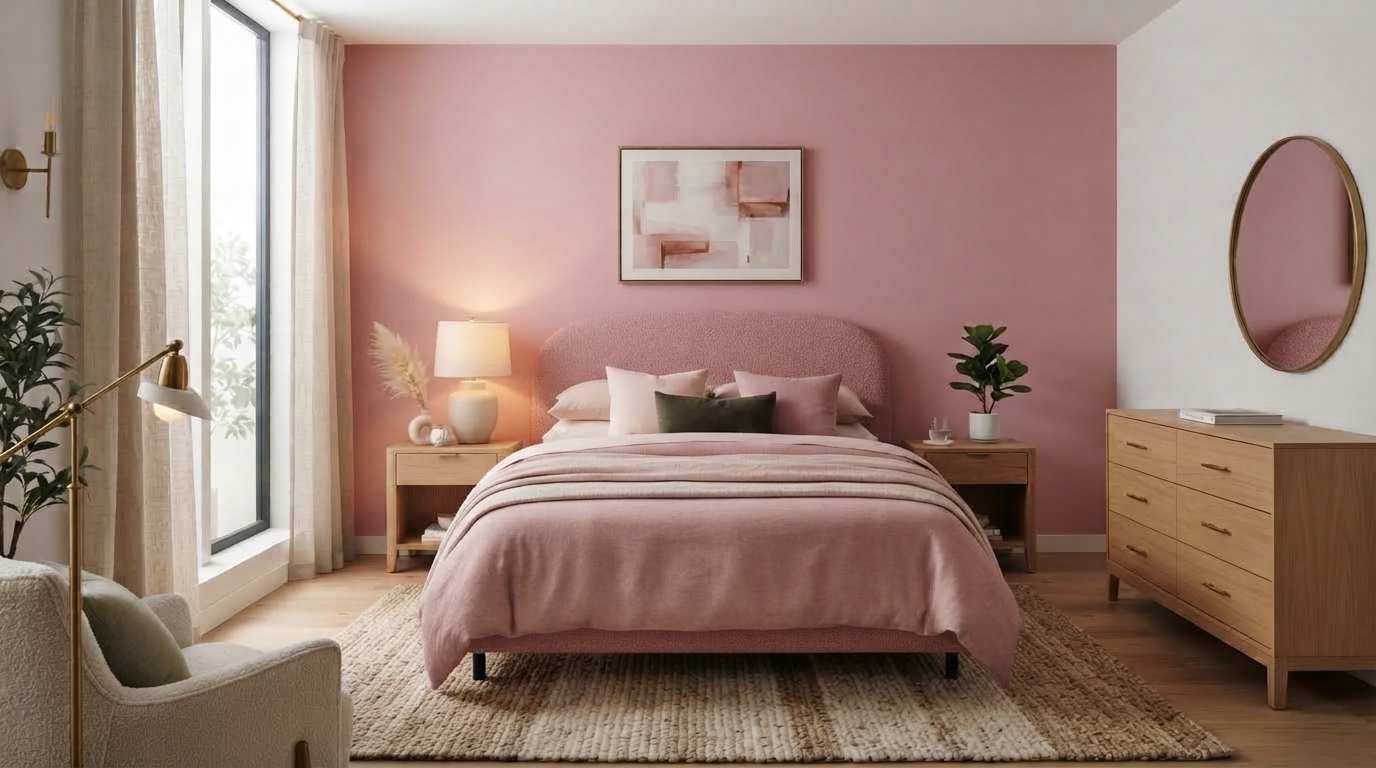
2. Try Blush Pink With Warm Neutrals
If your daughter loves pink, there is no reason to avoid it.
The difference is in the shade.
Instead of combining bright pink with multiple saturated colours, pair a soft blush with warm white, beige or pale timber.
The result feels feminine without becoming overly themed.
You can then add stronger pink through cushions, artwork or bedding.
Those accessories are easy to replace when preferences change.
This is a useful principle for all girl bedroom decor.
Put long-term money into the things that are difficult to change.
Use inexpensive accessories for temporary trends.
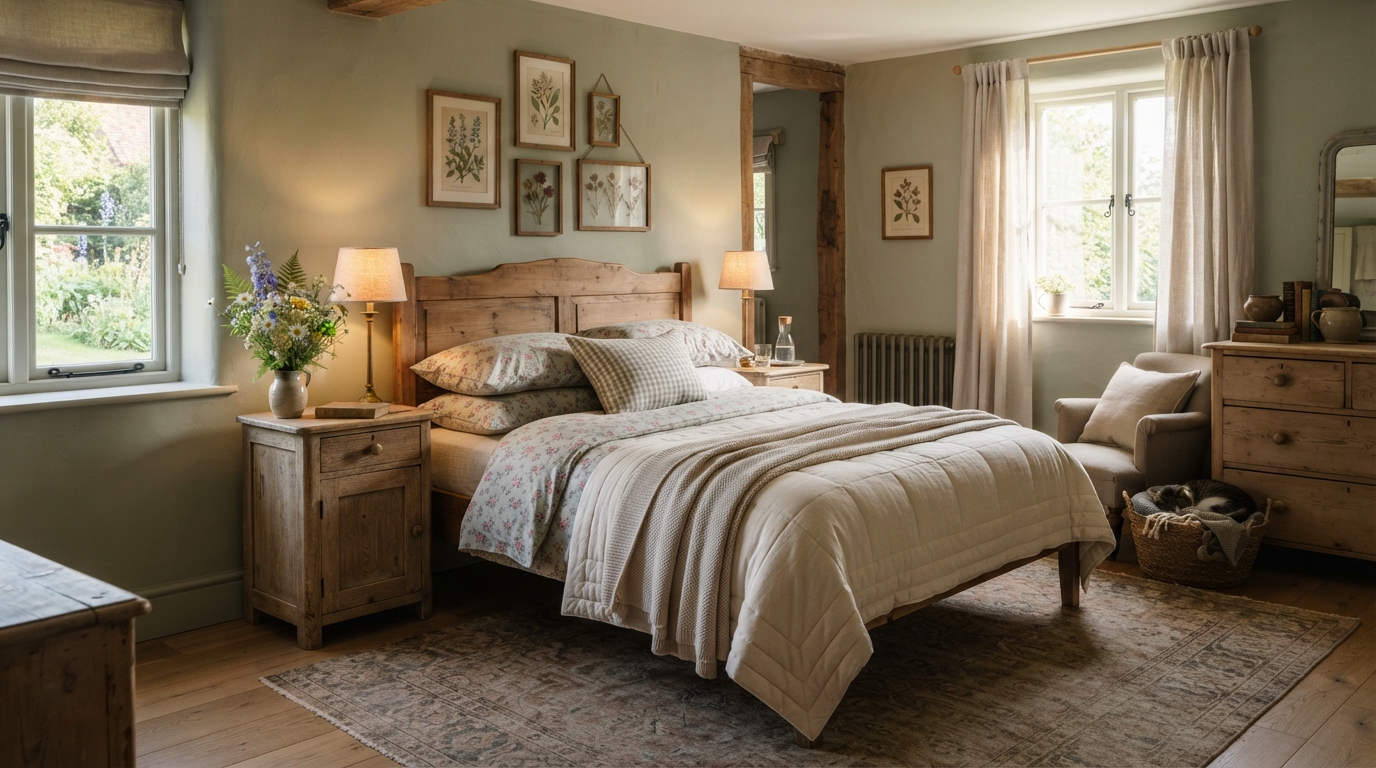
3. Use Sage Green for a Calmer Look
Sage is particularly useful if you want a bedroom that feels fresh without being overly childish.
It works naturally with white, cream, pale wood and warm beige.
You can paint one wall sage and keep the remaining walls neutral.
Or use sage through bedding, curtains, cushions and artwork.
For a nature-inspired room, add rattan baskets, timber furniture and a few plants that are appropriate for the space.
The overall effect can work for both children and teenagers.
4. Create a Soft Lavender Bedroom
Lavender can give a room colour without making it visually heavy.
Pair it with warm white rather than icy grey.
Natural timber can prevent the palette from feeling too sweet.
For a younger child, add playful artwork.
For a tween or teen, replace those pieces with framed prints, photography or a simple gallery arrangement.
The underlying room stays the same.
Only the details change.
5. Give the Bed a Strong Visual Role
The bed is usually the largest piece of furniture in the room, so it naturally becomes an anchor.
That does not mean it needs to be extravagant.
A simple upholstered headboard can create a soft focal point.
A timber bed can make the room feel warmer.
A canopy can create a sense of coziness.
A daybed can be particularly useful in a compact room because it can function as both a sleeping and lounging space.
For children who love imaginative play, a house-style frame or bunk arrangement can add character.
But remember that trends change.
If you want the room to last, let the architecture and furniture remain relatively timeless and use removable accessories for the more playful elements.
6. Build Storage Around Real Life
Storage should not be an afterthought.
Children accumulate things quickly.
Clothes, school supplies, books, toys, crafts and personal collections all need somewhere to go.
The best girls’ bedroom storage ideas make tidying easier rather than simply providing more cupboards.
Consider:
- Under-bed drawers
- Built-in wardrobes
- Wall-mounted shelves
- Storage benches
- Baskets
- Drawer dividers
- Desk drawers
- Open cubbies
- Tall cabinets
- The important question is not how much storage you have.
- It is whether your child can actually use it.
If everyday items are difficult to reach, they are more likely to end up on the floor.
7. Use Vertical Space in a Small Bedroom
Small bedrooms require a different strategy.
Instead of spreading furniture across the floor, use the walls.
Tall wardrobes can use otherwise wasted vertical space.
Wall-mounted shelves can hold books without requiring a large bookcase.
Pegboards can organize crafts and stationery.
Floating desks can create a work area without taking up as much floor space as a conventional desk.
Current small-room design guidance also recommends vertical storage, multifunctional furniture, under-bed storage, mirrors and wall-mounted lighting to make compact girls’ rooms more practical.
This is one of the easiest ways to make a small room feel less crowded.
8. Make the Bed Work Harder
In a compact bedroom, the bed occupies valuable floor area.
Use it.
A bed with built-in drawers can store bedding, seasonal clothing or toys.
An ottoman-style bed can provide hidden storage underneath.
A cabin bed can create storage or a desk below the sleeping platform.
A bunk bed may be useful in a shared room.
The best solution depends on age and safety requirements.
Do not choose multifunctional furniture simply because it looks clever.
Make sure your child can use it comfortably and safely.
9. Create a Study Corner She Will Actually Use
A study area does not need to dominate the bedroom.
A small desk near a window can be enough.
If floor space is limited, consider a wall-mounted desk.
Add an adjustable chair that supports comfortable posture.
Good task lighting is important.
Keep frequently used school supplies within easy reach.
A small shelf above the desk can hold books, while drawers can hide stationery and other clutter.
A practical girls study room idea is to create visual separation without building a wall.
You can use a different wall colour, a rug, shelving or lighting to make the study area feel like its own zone.
10. Design a Reading Nook
A reading nook can make a bedroom feel more personal.
You do not need a dedicated built-in structure.
A comfortable chair beside a window can work.
So can a window seat with storage underneath.
For a younger child, a floor cushion and small bookshelf may be enough.
For a teenager, a compact lounge chair can create a private corner away from the desk and bed.
The important thing is lighting.
A reading corner should have focused illumination that is comfortable to use in the evening.
11. Create a Display Wall for Her Personality
Children often have things they want to display.
- Drawings.
- Photographs.
- Certificates.
- Posters.
- Crafts.
- Collections.
Instead of allowing these items to spread across every surface, create one designated display area.
A corkboard, magnetic board, picture ledge or simple gallery wall can work well.
The display can change as interests change.
This is a much more flexible approach than permanent themed décor.
It also gives the child a sense of ownership.
12. Choose a Theme Without Overdoing It
Themes can be fun.
Stars, flowers, animals, rainbows, butterflies, travel or fairy-tale ideas can all inspire beautiful rooms.
But the safest approach is to use the theme as a layer rather than the entire design.
For example, a floral bedroom does not need floral wallpaper, floral bedding, floral curtains and floral artwork.
Choose one major statement.
Then keep the rest relatively calm.
This makes the room easier to update.
A theme should create personality, not become a visual obligation.
13. Try a Nature-Inspired Girls’ Bedroom
Nature-inspired rooms are especially adaptable.
Use natural timber.
Add woven baskets.
Choose linen or cotton textiles.
Bring in botanical artwork.
Use soft greens and warm neutrals.
If you include plants, choose varieties that are appropriate for the child’s age and the conditions of the room.
Natural textures can make a bedroom feel warm without relying on lots of colour.
This approach also fits comfortably with the broader movement toward natural materials and calmer children’s interiors.
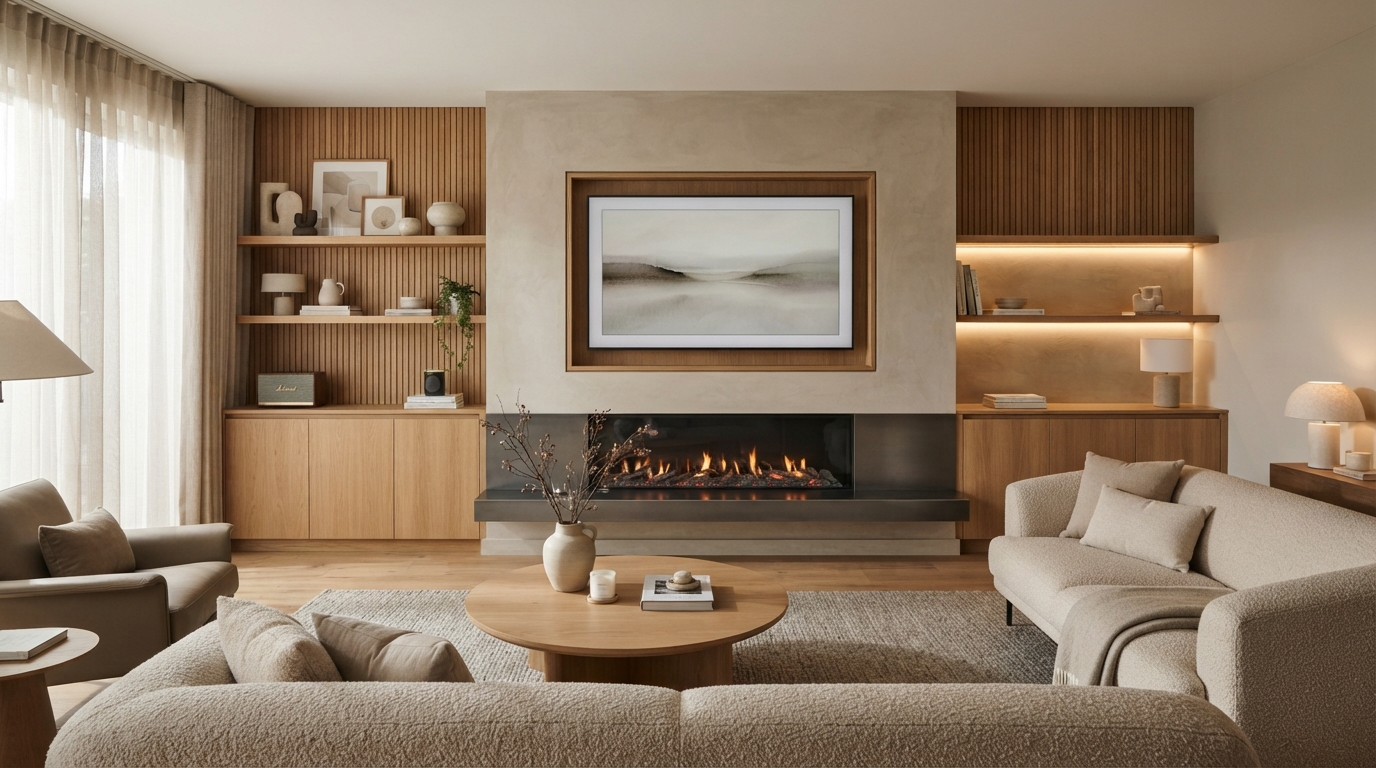
14. Create a Modern Neutral Bedroom
Neutral does not mean boring.
A warm white room can become interesting through texture.
Think:
- Bouclé upholstery
- Linen bedding
- Wood furniture
- Woven baskets
- Textured rugs
- Soft curtains
- Ceramic accessories
A neutral modern girls bedroom can be especially useful for parents who want a room that will transition easily from childhood to the teenage years.
Then personality can come through removable accessories.
Change the artwork.
Replace the bedding.
Add a new lamp.
Rearrange the display shelf.
You can transform the atmosphere without renovating the room.
15. Make a Tween Bedroom Feel More Grown Up
The transition from child to teenager is often where bedroom design becomes difficult.
A tween may no longer want obvious children’s décor but may not want an adult bedroom either.
This is where flexible design helps.
Choose a more mature base.
Use simple furniture.
Then allow personality through artwork, textiles and accessories.
A large pinboard can hold photographs and inspiration.
A comfortable chair can become a place for reading or talking with friends.
A larger desk can support schoolwork and creative activities.
The room should feel like it belongs to her.
That is more important than following a particular design trend.
16. Design a Teenage Girl’s Bedroom Around Independence
A teenage girl’s bedroom needs slightly different priorities.
Privacy becomes more important.
So does personal storage.
A study desk may need to accommodate a laptop.
A mirror may become more useful.
Lighting should support different activities.
And there should be space for friends.
Rather than treating the bedroom as a decorative project controlled entirely by adults, involve the teenager in the decisions.
Let her choose some colours, artwork and accessories.
Parents can establish practical boundaries around budget, safety and permanent finishes.
The result is usually much more personal.
17. Use Layered Lighting
One ceiling light is rarely enough.
A bedroom benefits from several lighting layers.
Ambient lighting provides general illumination.
Task lighting supports homework, reading or grooming.
Accent lighting creates an atmosphere.
For example, a room could have a ceiling fixture, a desk lamp and bedside light.
LED strip lighting can be used carefully around shelving or under furniture, but it should not become the entire design.
The aim is flexibility.
Bright light during homework.
Soft light before bed.
Focused light while reading.
Warm ambient light when relaxing.
18. Add a Mirror Carefully
Mirrors can be useful in girls’ bedrooms for practical reasons.
They can help with dressing and grooming.
In smaller rooms, a mirror can also reflect daylight and create a greater sense of visual depth.
A full-length mirror attached securely to the wall or wardrobe can be useful for older children and teenagers.
For younger children, placement matters.
Avoid positioning furniture or other climbable objects where a child could use them to reach an unsecured mirror.
Safety should always come before the visual effect.
19. Use Wallpaper as a Statement
Wallpaper can transform a room quickly.
But it does not need to cover every wall.
A single feature wall behind the bed can be enough.
Soft botanical prints work well for nature-inspired rooms.
Small geometric patterns can create a contemporary look.
Stars can add atmosphere without being too childish.
For a more sophisticated bedroom, choose a subtle textured or tonal pattern.
If you expect to change the room in a few years, consider removable wallpaper or keep the permanent surfaces neutral.
20. Give the Ceiling Some Attention
The ceiling is often forgotten.
But a small bedroom can become much more interesting with a thoughtfully designed ceiling.
You could use a soft colour that continues slightly down the wall.
A subtle wallpaper can create a cozy effect.
A simple pendant can become a decorative focal point.
However, avoid heavy fixtures or anything that compromises safety.
For younger children, make sure the light fitting is securely installed and that cords or hanging elements are out of reach.
21. Create a Bedroom That Can Grow
This may be the most valuable idea on the list.
Children change.
Their interests change.
Their clothing changes.
Their study requirements change.
Their friendships and routines change.
The bedroom should be able to change with them.
Invest in durable basics.
Choose a good bed.
Choose practical storage.
Choose a desk that can accommodate changing needs.
Keep the permanent colour palette relatively adaptable.
Then use accessories to reflect the current personality.
This is why many current children’s room designs emphasize flexible layouts, multifunctional furniture and spaces that can evolve rather than rooms designed around one temporary theme.
Girls Bedroom Ideas for Small Rooms
Small bedrooms require discipline.
The temptation is to add more storage, more shelves and more furniture.
That can actually make the room feel smaller.
Instead, decide what is essential.
A bed.
A wardrobe.
Storage.
A study area if needed.
Then look for ways to combine functions.
A desk can double as a vanity.
A window seat can provide storage.
A bed can contain drawers.
A wardrobe can include a full-length mirror.
Wall-mounted shelves can replace a freestanding bookcase.
These are practical small girls bedroom ideas because they reduce the number of separate furniture pieces in the room.
What Colours Make a Small Girls’ Bedroom Feel Bigger?
Lighter colours can help create a sense of openness.
Soft white, pale pink, muted lavender, light sage and warm neutral tones are useful choices.
But you do not need to avoid dark colours completely.
A deep accent wall can add depth and personality, particularly in a teenager’s room.
The key is balance.
If the room is very small, use darker shades selectively rather than covering every surface.
Natural daylight also matters.
Keep window treatments relatively light if privacy requirements allow.
A mirror positioned to reflect daylight can also help visually open the room. Wren specifically recommends mirrors, lighter colours and vertical storage as useful strategies for small girls’ bedrooms.
Girls Bedroom Ideas on a Budget
You do not need to replace every piece of furniture.
Start with what you already have.
Paint can change an old bedside table.
New handles can update a wardrobe.
A fresh duvet cover can completely change the colour story.
Wall decals can create a feature without the commitment of permanent wallpaper.
A second-hand wooden piece can be refinished.
DIY artwork can fill a blank wall inexpensively.
The biggest visual changes often come from editing rather than buying.
Remove clutter.
Rearrange furniture.
Improve lighting.
Create a clearer focal point.
Then decide what genuinely needs to be replaced.
HGTV also recommends looking at existing furniture and considering upcycling when decorating girls’ bedrooms on a budget.
Girls Bedroom Ideas for Different Ages
The right room depends heavily on age.
For Toddlers
Prioritize safety, sleep and easy access.
Use secure storage.
Keep furniture stable.
Avoid unnecessary small decorative objects.
Choose washable textiles.
Use soft lighting.
A playful colour scheme can be introduced through artwork and bedding.
For School-Age Girls
Add a proper study area.
Create accessible storage for books and toys.
Give her space to display artwork.
Use colour to define different zones.
At this age, involving her in some design decisions can make the room feel more personal.
For Tweens
Reduce overtly childish décor.
Introduce a more mature colour palette.
Create a better study setup.
Add comfortable seating.
Provide more personal storage.
Allow artwork and accessories to reflect changing interests.
For Teenagers
Prioritize privacy, technology, studying and personal expression.
A comfortable desk becomes more important.
Storage needs often increase.
A mirror and dressing area may become useful.
The room should have enough flexibility for relaxing as well as schoolwork.
How to Choose Furniture for a Girls’ Bedroom
Start with the room’s dimensions.
Do not buy furniture simply because it looks good online.
Measure the bed.
Measure wardrobe depth.
Measure desk width.
Then leave enough space for comfortable movement.
For small bedrooms, prioritize multifunctional furniture.
For larger rooms, resist the temptation to fill every corner.
Furniture should create usable zones.
A sleeping zone.
A study zone.
A storage zone.
Possibly a reading or relaxation zone.
Clear zoning can make even a simple room feel thoughtfully designed.
How Much Open Storage Should You Use?
Open shelves look attractive in photographs.
But they require maintenance.
Every object remains visible.
For a child’s bedroom, closed storage is often more forgiving.
Use open shelves for books, artwork and a few favourite objects.
Use drawers and cupboards for everything else.
Heavier items should generally be stored lower, particularly where young children are involved. The CPSC recommends placing heavier items on lower shelves or in lower drawers and anchoring furniture appropriately.
The result is a room that looks calmer and is easier to keep organized.
Safety Considerations for a Child’s Bedroom
Beautiful design should never compromise safety.
Secure tall wardrobes, dressers and bookcases according to the manufacturer’s instructions.
Anchor furniture that could tip.
Secure televisions if one is present.
Keep cords organized and away from young children.
Avoid placing climbable furniture directly beneath windows where this could create a fall hazard.
The CPSC specifically advises anchoring furniture and TVs and keeping TV or cable cords out of children’s reach.
For a newly painted or renovated room, ventilation is also important.
The U.S. EPA notes that some paints and household products can release volatile organic compounds and recommends good ventilation when using products that emit VOCs.
Follow product instructions and allow finishes to cure appropriately before normal use.
Common Girls’ Bedroom Design Mistakes
Making Everything Pink
Pink is not the problem.
Using only one colour with no tonal variation can make a room feel flat.
Use texture and complementary colours instead.
Choosing a Theme That Is Too Specific
A five-year-old may love a particular character today and dislike it next year.
Keep permanent elements flexible.
Ignoring Storage
A beautiful bedroom will quickly look messy if there is nowhere to put everyday belongings.
Buying Furniture That Is Too Large
Oversized furniture can consume valuable floor space.
Always measure first.
Forgetting the Study Area
As children grow, homework becomes a much bigger part of bedroom use.
Plan for it early where appropriate.
Using Only One Light
One ceiling fixture cannot comfortably support every activity.
Layer the lighting.
Decorating for Adults Instead of the Child
The bedroom belongs to the person sleeping there.
Her preferences should have a meaningful place in the design.
Overfilling the Walls
Not every wall needs shelves, pictures, decals and signs.
Leave some visual breathing room.
A Simple Girls’ Bedroom Planning Table
| Bedroom Element | Best Approach |
| Bed | Comfortable, appropriately sized and practical |
| Wardrobe | Use vertical space and secure tall units |
| Storage | Combine closed storage with limited open display |
| Desk | Choose a size suitable for current and future study needs |
| Lighting | Layer ambient, task and accent lighting |
| Colour | Use a flexible base with changeable accents |
| Décor | Reflect personality without overcommitting to a theme |
| Floor | Keep enough open space for movement and activities |
| Walls | Use one strong focal point rather than decorating every surface |
| Safety | Anchor furniture and manage cords appropriately |
How to Make the Room Feel Special Without Spending a Fortune
The easiest way to create a memorable bedroom is to add something personal.
It could be a gallery of family photographs.
A collection of her drawings.
A handmade quilt.
A favourite reading chair.
A shelf of books.
A framed piece of artwork she created herself.
Personal details cannot be bought from a trend list.
They are what make the room hers.
This is why the best girls’ room ideas do not look identical.
They respond to the person living inside the room.
Should a Girl’s Bedroom Have a Vanity?
For older children and teenagers, a small vanity can be useful.
But it does not need to be a traditional dressing table.
A compact desk with a mirror can perform the same function.
In a small room, this dual-purpose approach is particularly valuable.
Choose storage that keeps everyday products organized.
Keep electrical styling tools safely managed and away from younger children.
The vanity should complement the study area rather than taking over the entire bedroom.
Can You Combine Pink With Green?
Absolutely.
Pink and green can create a surprisingly sophisticated combination.
Soft blush with sage is gentle.
Dusty rose with olive is richer.
Pale pink with deep green creates stronger contrast.
If using two noticeable colours, keep the remaining elements relatively neutral.
Natural timber is especially effective between the two.
What Is Trending in Girls’ Bedrooms in 2026?
The strongest direction is personalization rather than one universal trend.
Current 2026 design content points toward rooms with more sophisticated colour palettes, natural textures, layered lighting, multifunctional furniture and dedicated areas for studying or relaxing. There is also a clear move away from making every girls’ room look conventionally pink or heavily themed.
That means a girl’s bedroom can now be colourful without being childish.
It can be playful without looking chaotic.
And it can feel mature without looking like an adult guest room.
A 2026 Design Formula That Works
If you are starting from an empty room, use this simple sequence.
First, measure the room.
Second, decide where the bed should go.
Third, plan wardrobe and storage.
Fourth, identify the best location for a desk.
Fifth, establish the main colour palette.
Sixth, choose lighting.
Seventh, add textiles.
Finally, bring in artwork and personal objects.
Doing things in this order prevents one decorative purchase from dictating the entire room.
Frequently Asked Questions
What are the best girls bedroom ideas for 2026?
The strongest ideas focus on personalization, flexible furniture, practical storage, layered lighting, study areas, natural textures and colour palettes that can evolve as children grow.
What colour is best for a girl’s bedroom?
There is no single best colour. Blush pink, sage green, lavender, warm white, beige, muted blue and earthy tones can all work. Choose according to age, natural light and personal preference.
How can I make a small girl’s bedroom look bigger?
Use light or softly muted colours, vertical storage, multifunctional furniture, under-bed storage and mirrors. Keep the floor as open as possible.
How do you make a girl’s bedroom look less childish?
Choose a timeless base for the walls and furniture. Then use bedding, artwork and accessories to introduce personality. This makes it easier to update the room as interests change.
What should I put in a girl’s bedroom?
The essentials usually include a suitable bed, clothing storage, useful lighting and enough space for the child’s main activities. Depending on age, you may also need a desk, bookshelf, reading area, vanity or play space.
How do I design a teenage girl’s bedroom?
Focus on independence and flexibility. Include comfortable sleeping furniture, adequate clothing storage, a practical study area, good lighting, a mirror if wanted and enough room for personal expression.
Are pink bedrooms still popular?
Yes, but pink is no longer the only obvious choice. Softer pinks, blush tones and pink combined with neutrals or green can create a more adaptable modern room.
What furniture is best for a small girl’s bedroom?
Multifunctional furniture is particularly useful. Consider beds with drawers, wall-mounted desks, tall wardrobes, floating shelves and storage benches.
How can I add personality without making the room cluttered?
Choose one or two display areas. Use artwork, photographs, books and a few meaningful objects rather than decorating every available surface.
Should a girl’s bedroom have a study desk?
For school-age children and teenagers, a dedicated study area can be extremely useful. It does not need to be large. A compact desk with suitable task lighting may be enough.
How much storage does a girl’s bedroom need?
It depends on the child’s possessions and age. Start by listing what needs to be stored, then create enough accessible storage for clothes, books, toys, school supplies and personal items.
How do I make a girls’ bedroom grow with her?
Keep permanent elements relatively timeless. Choose durable furniture, flexible storage and a neutral or adaptable colour foundation. Change accessories, artwork and bedding as she grows.
Are bunk beds a good idea?
They can be useful in shared or compact bedrooms, but suitability depends on the child’s age, the specific product and its safety instructions. Always follow the manufacturer’s guidance and applicable safety recommendations.
How can I make a girl’s bedroom cozy?
Use layered lighting, soft bedding, rugs, curtains, natural textures and a comfortable reading or lounging spot. Warm colours can also contribute to a cozy atmosphere.
What are good storage ideas for girls’ bedrooms?
Under-bed drawers, built-in wardrobes, wall-mounted shelves, storage benches, baskets and tall cabinets are all useful. In small rooms, use vertical space wherever practical.
Final Thoughts
The best girls’ bedroom ideas are not necessarily the most expensive or elaborate.
They are the ones that understand how quickly a child changes.
A room designed around one cartoon character may look exciting for a short time.
A room designed around her personality, comfort and everyday needs can remain useful for years.
Start with the layout.
Make storage easy.
Choose furniture that fits.
Create a proper place for homework when needed.
Use lighting for different activities.
Let colour bring personality.
Then leave enough flexibility for the person using the room to make it her own.
If you are decorating in 2026, there is no need to choose between a room that is beautiful and one that is practical.
The strongest modern girls bedroom design does both.
It gives a child somewhere comfortable to sleep, a place to study, somewhere to keep her belongings, space to express herself and, most importantly, a room that feels genuinely hers. Read this ottagecore Bedroom Ideas: 21 Cozy Looks to Copy for 2026!
That is the difference between simply decorating a bedroom and creating a space she will actually love living in.